How Much Does Scratch and Paint Repair Cost? What Sets the Price

Ray's Automotive • July 31, 2026

Scraped a door against a pillar, found a mystery scratch in a parking lot, or looking at faded clear coat that has seen too many summers? "How much will this cost to fix?" is the question we hear most from Waterbury area drivers, and the honest answer is that it depends on how deep the damage goes and how much of the panel needs paint. This guide explains how scratch and scrape repairs are actually priced, so you know what you are looking at before you get an estimate.

The Depth of the Damage Sets the Job

Automotive paint is layered: clear coat on top, color coat beneath it, primer under that, and then the metal or plastic of the panel. A scratch that only marks the clear coat can often be polished or refinished with minimal work. Once the scratch cuts through the color coat, the panel section needs repainting. If the scrape reached primer or bare metal, or the panel is dented or creased, body repair comes before any paint. This is why two scratches that look similar in a photo can be very different jobs, and why we always want to see the vehicle before quoting.

Why "Just That Spot" Is Rarely Just That Spot

The part that surprises most people is that a small scratch usually requires painting more than the small area around it. To make a repair invisible, the new paint has to be blended into the surrounding panels so there is no visible edge where new color meets old. Factory paint also fades and shifts subtly over years in the sun, so a fresh patch of the original color code can still stand out against the aged paint around it. We explained the science of this in our post on why proper paint matching is more complicated than you think. Blending is what separates a repair you can find from one you cannot.

The Factors That Move the Price

When we write an estimate for cosmetic damage, these are the levers: how many panels are affected and whether the damage crosses panel edges, whether there is a dent or crease behind the scratch, the type of finish, since metallics, pearls, and multi stage colors take more material and labor than solid colors, whether trim, badges, or door handles need removal for a clean job, and the condition of the surrounding paint, such as clear coat that is failing across the whole panel rather than in one spot. Sun damaged or burned clear coat across large areas, something we see after years of Connecticut summers and, occasionally, after fireworks, is a refinishing job measured in panels, not spots.

Getting a Real Number

Photos are a helpful start and we welcome them with your inquiry, but a firm price requires seeing the depth of the damage in person, which is why accurate estimates cannot be done over the phone. An in person estimate at our Waterbury shop takes a few minutes, it is free, and it comes with an honest conversation about options, including when a repair is worth doing through insurance versus out of pocket, which we covered in this guide on insurance versus paying out of pocket.

Frequently Asked Questions

  • Can a scratch be buffed out instead of repainted?

    Sometimes. If the scratch is only in the clear coat, meaning your fingernail does not catch when you run it across, polishing or wet sanding can often remove or greatly reduce it without repainting. Once the scratch catches a fingernail or shows a different color at the bottom, it has gone through the clear and the panel section needs refinishing. Bring it by and we will tell you honestly which one you have.


  • Should I go through insurance for a scratch or scrape?

    It depends on the repair cost relative to your deductible and how the claim might affect your premium. Cosmetic damage that lands near or below your deductible is usually better paid out of pocket, while larger multi panel damage often makes sense as a claim. We write the estimate first so you have the real number, and then you can make the insurance decision with actual information instead of a guess.


  • Why does a small scratch cost more than I expected?

    Because the labor is in the process, not the scratch. A proper repair involves prepping the panel, repairing any underlying damage, masking and removing trim, spraying base and clear coats, blending into adjacent areas so the repair is invisible, and finishing the surface. Most of that work is the same whether the scratch is two inches or ten, which is why small cosmetic jobs carry a base level of labor.


  • Can you repaint a whole vehicle or just panels?

    Both. Panel refinishing handles localized damage, while full repaints address widespread clear coat failure, heavy fading, or an owner who simply wants the finish restored. A full repaint is a significantly larger job involving disassembly of trim and thorough surface preparation, and the price reflects the vehicle's size and condition, so an in person look is the starting point either way.


  • How long does a scratch or paint repair take?

    A single panel cosmetic repair is typically measured in days rather than weeks, since paint work involves prep, spray, cure, and finishing stages that cannot be rushed without hurting the result. Multi panel work or repairs with underlying body damage take longer. When we write your estimate we will give you a realistic timeline along with the number, and we keep you updated while the car is with us.


Bring It By for a Free Estimate

If your car has a scratch, scrape, or tired paint anywhere in the Waterbury area, stop by Ray's Automotive at 1704 Baldwin Street or contact us to send photos and set up a free in person estimate. We will tell you exactly what it needs and what it will cost, with no pressure either way.

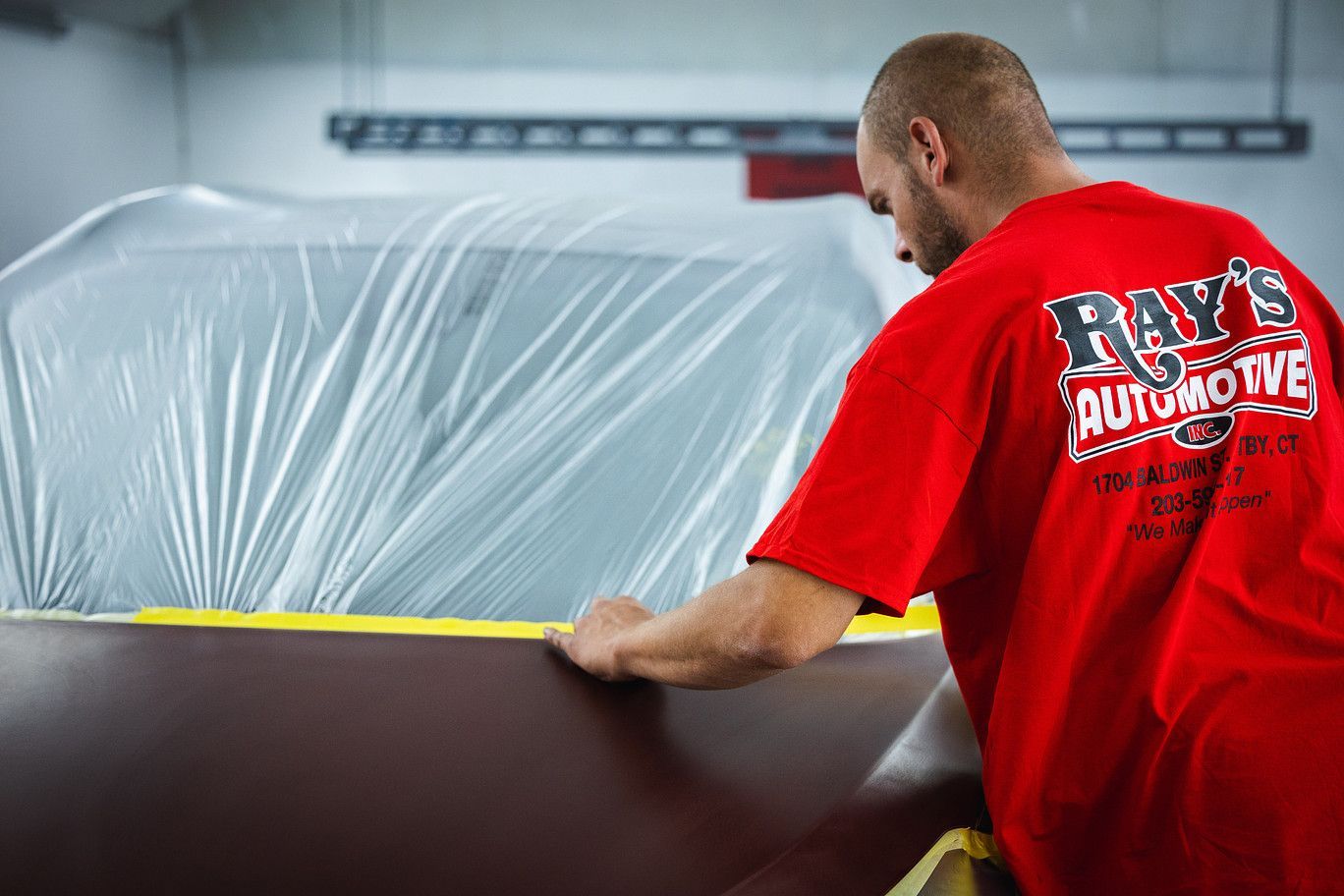
Man in red shirt applying masking tape to a car covered in plastic in an auto body shop
By Ray's Automotive July 31, 2026
Hit by another driver in CT? You choose the repair shop, not their insurance company. How third party claims, rentals, and supplements actually work.
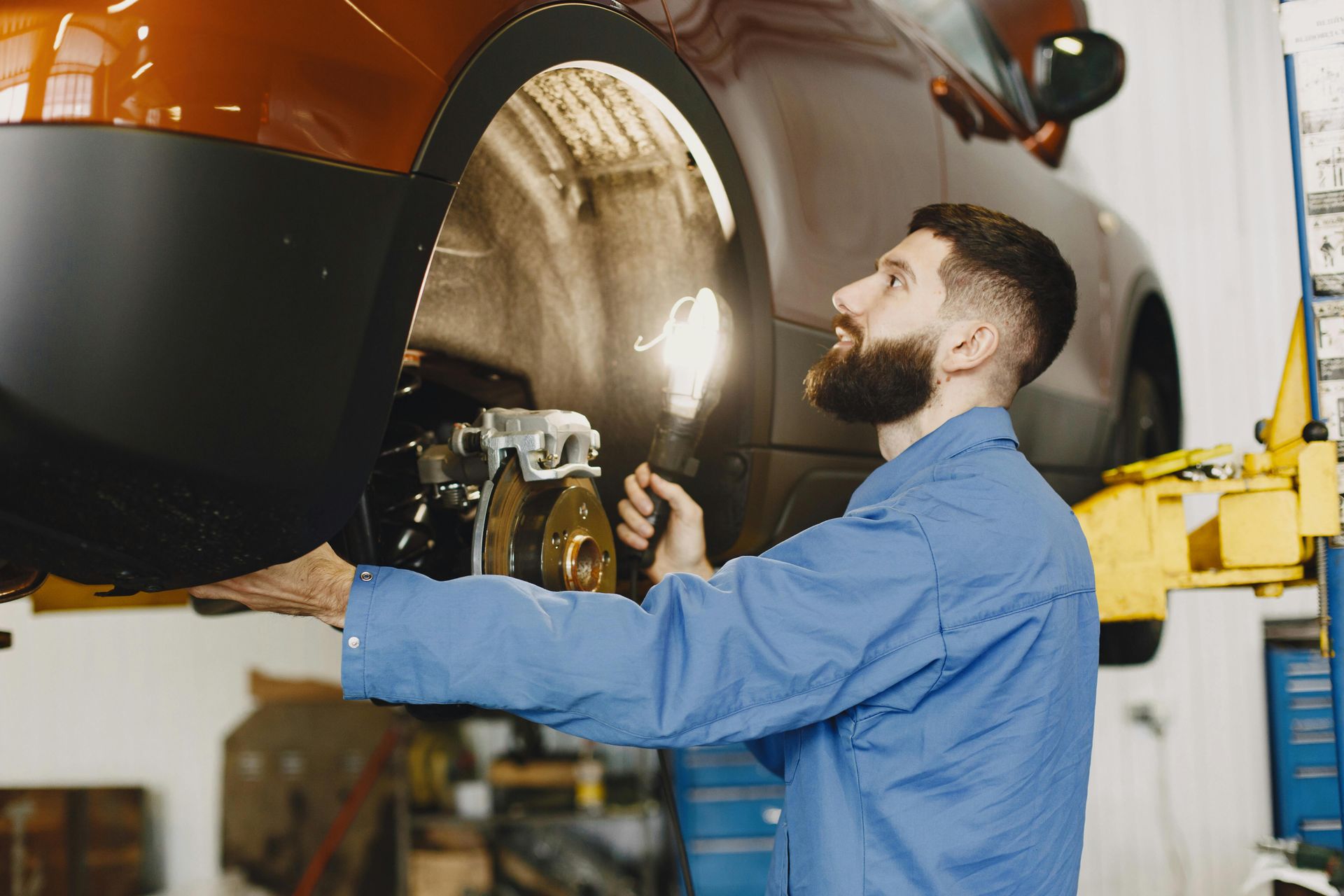
Mechanic inspecting a car’s front wheel in an auto repair shop
By Ray's Automotive June 2, 2026
Should you get a second opinion after a collision? Learn why independent estimates protect your safety, your wallet, and your rights as a vehicle owner in Waterbury, CT.
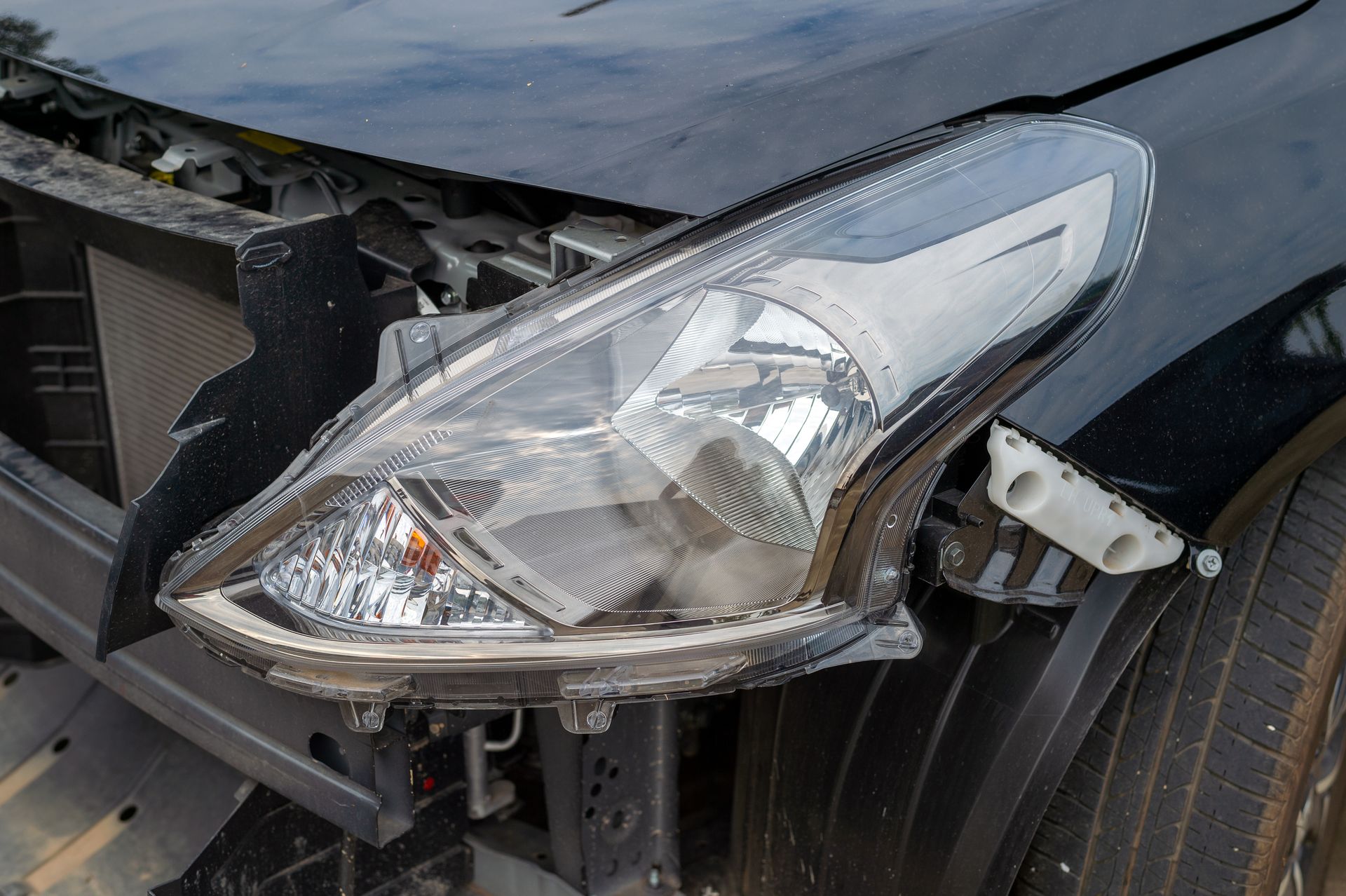
Damaged car headlight and front bumper with visible collision damage and missing grille
By Ray's Automotive April 20, 2026
Is it safe to drive your car after an accident? Learn the difference between drivable and safe, and when towing is recommended.

Worker in red vest inspecting a gray car body in an auto repair shop with the trunk open
By Ray's Automotive April 20, 2026
How do you prepare your car for auto body repair? Learn what to remove, why fuel matters, and what to expect at drop-off.
By Ray's Automotive April 20, 2026
Why do auto body repairs take time? Learn what actually goes into a proper repair and why rushing the process can lead to problems.
Three people talking beside a car in a mechanic's garage, with the hood open.
By Ray's Automotive April 20, 2026
Can you get a car repair estimate over the phone? Learn why accurate auto body estimates require an in-person inspection.
Person in red shirt with Ray's Automotive logo on back, standing indoors near equipment
By Ray's Automotive April 20, 2026
Why is paint matching so difficult? Learn how blending and proper techniques ensure your car looks consistent after repair.
Auto repair shop interior with a person in a red hoodie near a vehicle under repair
By Ray's Automotive April 20, 2026
Why are some auto body repairs so cheap? Learn what shops may skip and the risks of low-cost repairs
Mechanic in red hoodie repairing a car’s front end with the hood open in a garage
By Ray's Automotive April 20, 2026
OEM vs aftermarket parts explained. Learn the differences in quality, safety, and fit before repairing your vehicle.
Show More