Why Is My Car Paint Peeling? Causes and Fixes
Why Is My Car Paint Peeling?
If the finish on your vehicle is starting to flake, cloud over, or lift at the edges, you are not alone. Peeling paint is a frequent issue for Connecticut drivers, where hot summers, harsh winters, and road salt all take a toll on a vehicle's finish. Once you know what is behind it, it is easier to choose the right repair and keep the problem from coming back.
What Makes Car Paint Start to Peel?
Every factory finish is built in layers. Primer gives the paint something to grip, the base coat supplies the color, and the clear coat seals everything in and shields it from the elements. When the bond between any two of these layers breaks down, the top layer begins to separate.
The most frequent causes are:
- Long term sun exposure. Years of ultraviolet light weaken the clear coat, which is why roofs, hoods, and trunk lids usually fail first.
- Unrepaired chips and scratches. Openings in the finish allow moisture to creep underneath, loosening the paint and starting rust on steel panels.
- An earlier refinish that cut corners. If a panel was not properly cleaned, sanded, or primed during a prior repair, the new paint may never have bonded well.
- Damaging substances. Road salt, bird droppings, tree sap, and strong cleaners can eat into the clear coat when they are not removed quickly.
How to Tell Clear Coat Failure From Peeling Paint
When only the clear coat is failing, the surface often looks cloudy, chalky, or white, and the color is still intact beneath it. If the color itself is flaking off, or primer and bare metal are showing, the damage has reached deeper layers. Either way, the affected area usually grows over time.
Why Touch Up Paint Is Not a Real Fix
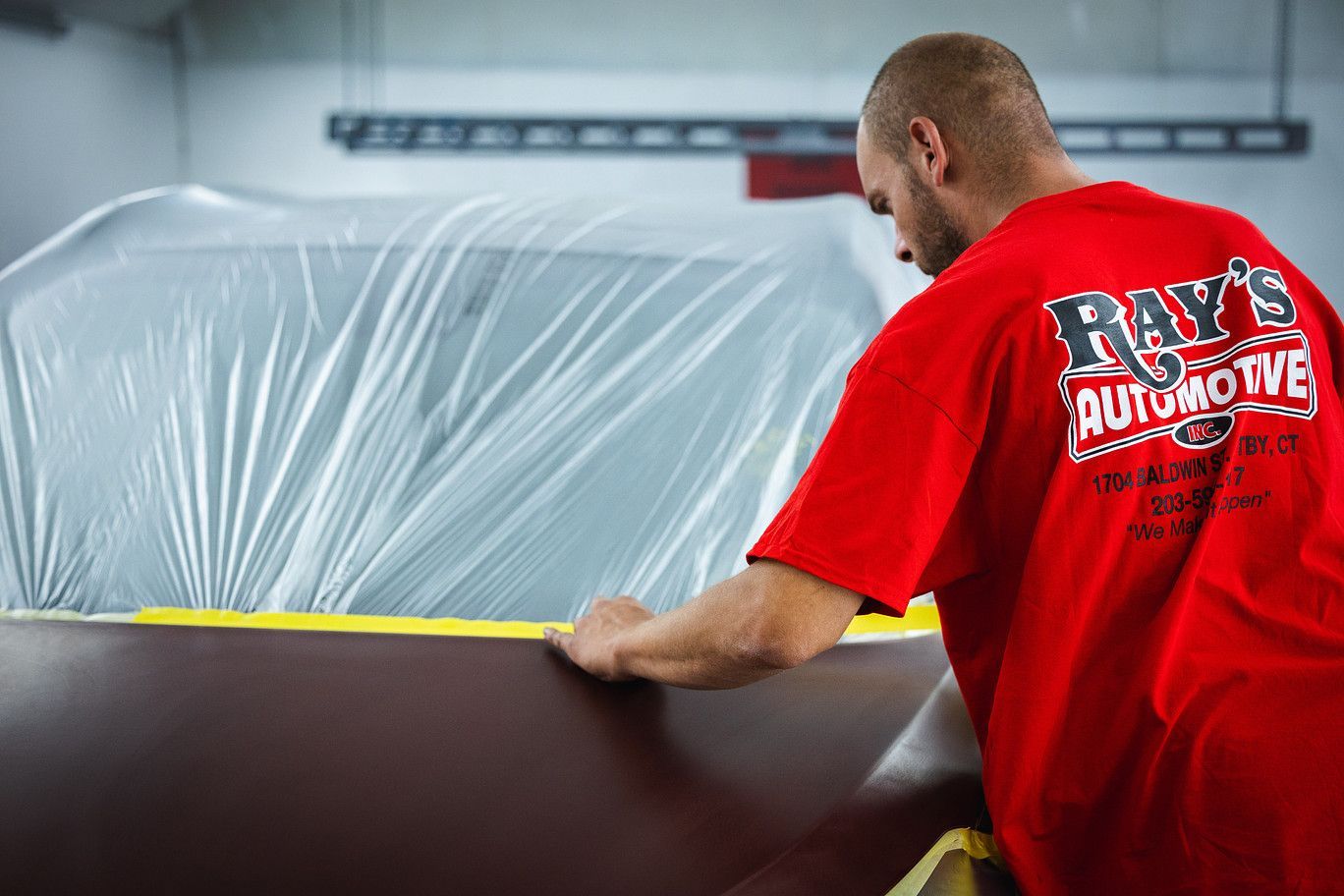
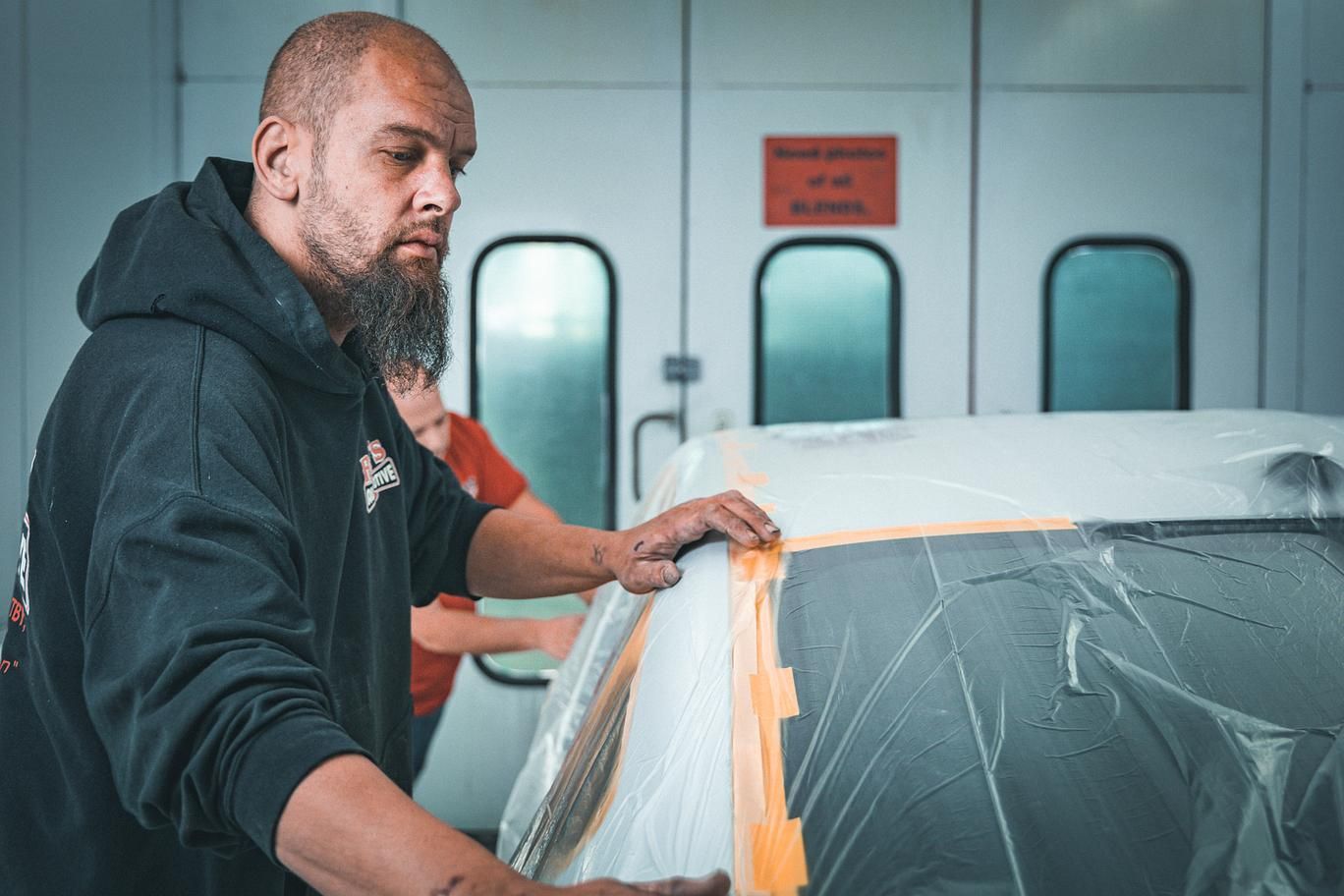
Touch up paint works for a small stone chip, but it will not solve peeling. Covering a failing layer only hides it, and the fresh paint eventually comes off along with the old. The correct repair sands away the damaged finish until a solid surface is reached, then applies new primer, base coat, and clear coat. To get an even color, technicians commonly blend into the surrounding panels. Learn more in our post on why proper paint matching is more complicated than you think, or see our auto painting services.
Frequently Asked Questions
Will my insurance pay to fix peeling paint?
In most cases, no. Insurance policies typically treat peeling from age, sun, or everyday wear as maintenance rather than covered damage. Collision and comprehensive coverage are meant for sudden events like accidents, vandalism, or falling objects. If the peeling began after a covered incident, or appears on a panel that was repainted as part of a past claim, review your policy and repair records. Your agent can tell you what applies to your situation.
Does peeling paint get worse if I leave it alone?
Yes, peeling paint almost always gets worse over time. The loose edges give moisture, heat, and car wash brushes a place to catch, so more of the finish lifts with each season. Steel panels with exposed metal can also start to rust, which can turn a paint repair into a larger body repair. Fixing it sooner keeps the repair area smaller.
What does it cost to repair peeling car paint?
The price depends on the number of panels involved, how deep the damage goes, and how much blending is required to match the color. Clear coat failure on one panel costs less to fix than multiple panels peeling down to primer. The only way to get an accurate number is an in person inspection. Learn more about what sets the price of paint repair.
Is it safe to drive a car with peeling paint?
Yes, a car with peeling paint is safe to drive, because the issue does not affect the vehicle's mechanical systems. The risk is to the body itself. Without an intact finish, panels are more exposed to rain, snow, road salt, and sunlight, which can lead to corrosion over time. That risk is greater after a long Connecticut winter.
What can I do to stop my car paint from peeling?
Protecting the clear coat is the most effective way to prevent peeling. Wash your vehicle often, particularly during winter when roads are salted, and clean off bird droppings and sap as soon as you see them. Park in a garage or shaded spot when possible. Regular waxing or sealant helps, and paint protection film adds a barrier on high impact areas. Repair chips quickly.
Schedule a paint inspection in Waterbury, CT. Whether you see flaking, clouding, or fading, the team at Ray's Automotive can assess your finish and explain your options. Our family owned shop at 1704 Baldwin Street has served Connecticut drivers for more than 30 years. Call 203-527-4116 or request a free consultation today.