What Really Happens After a Car Accident
The Process Starts Before You Arrive
The repair process begins the moment you contact the shop, not when you drop off your vehicle. That first call sets the direction for everything that follows.
At this stage, the shop is:
- Gathering details about the accident
- Determining if the vehicle is safe to drive or needs towing
- Reviewing your insurance coverage
- Explaining what to expect next
Most drivers don’t realize how much of this process involves understanding their insurance. Many policies are designed to control costs, which can affect how the repair is handled. Because of that, a large part of the shop’s role early on is helping you understand what you’re dealing with before the car even arrives.
Disassembly Changes Everything
Initial estimates are based only on what can be seen during a visual inspection. This is just a starting point.
Once the vehicle is taken apart:
- Hidden structural damage may be uncovered
- Internal components behind panels are exposed
- Additional repairs may be required
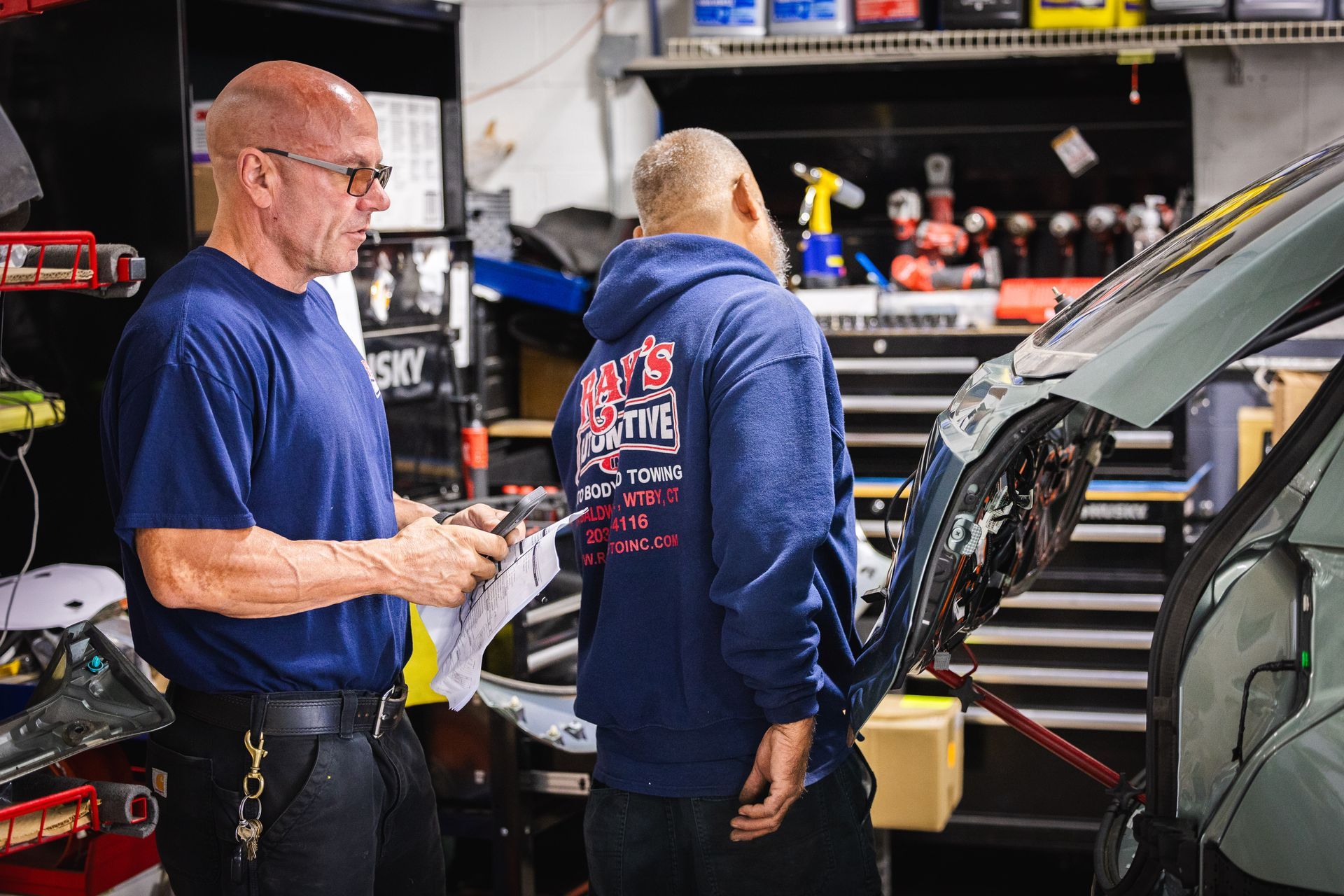
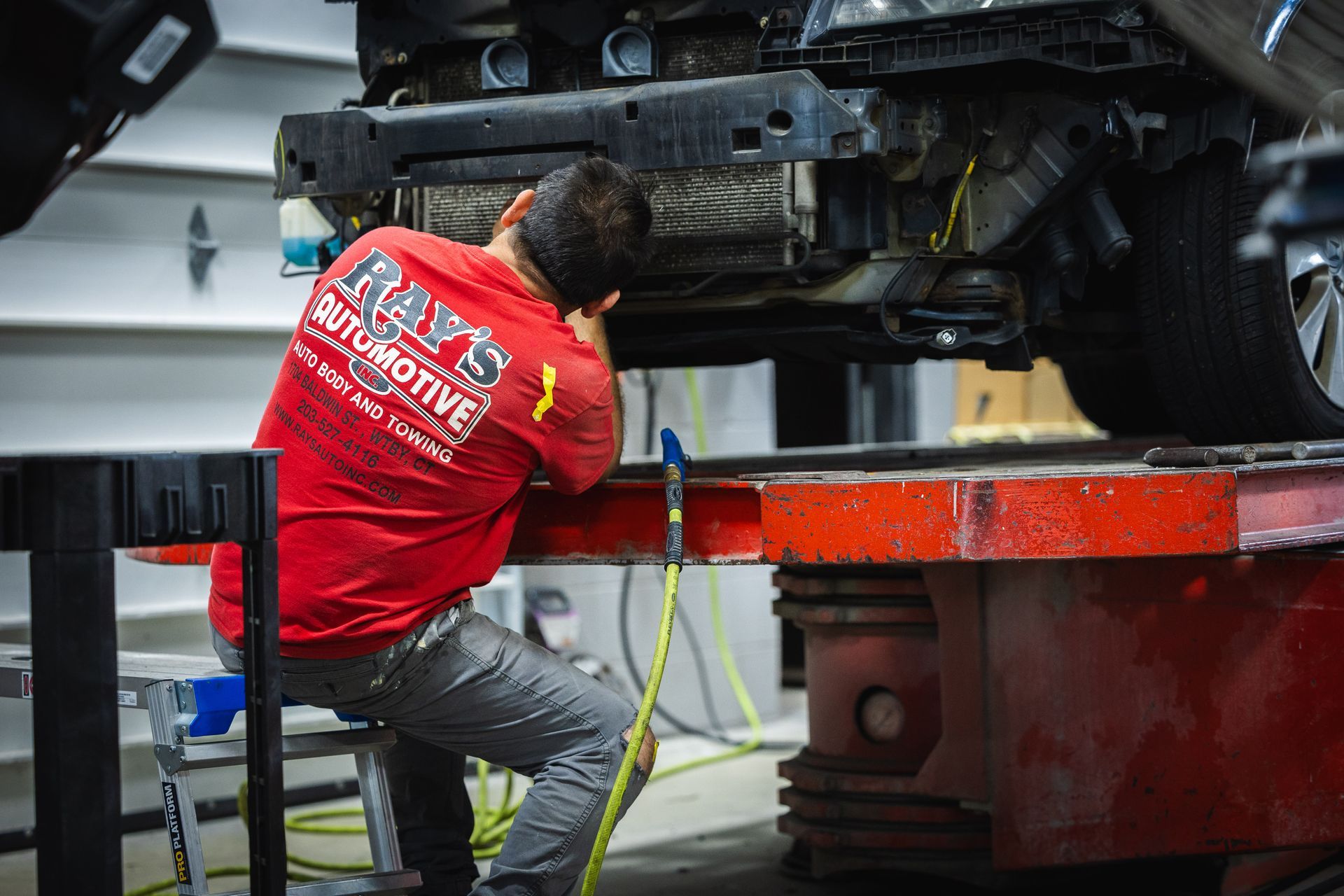
Modern vehicles are built with layers of materials, including plastic covers and internal supports that hide impact damage. It’s common for a repair that looks minor on the surface to become more involved after disassembly. This is not a mistake—it’s a normal and necessary part of the process.
Insurance Drives the Timeline
A significant portion of the repair process involves working with the insurance company. This is often the most time-consuming part.
Shops are required to:
- Submit documentation and photos
- Request approvals for repairs
- Justify why certain parts or procedures are necessary
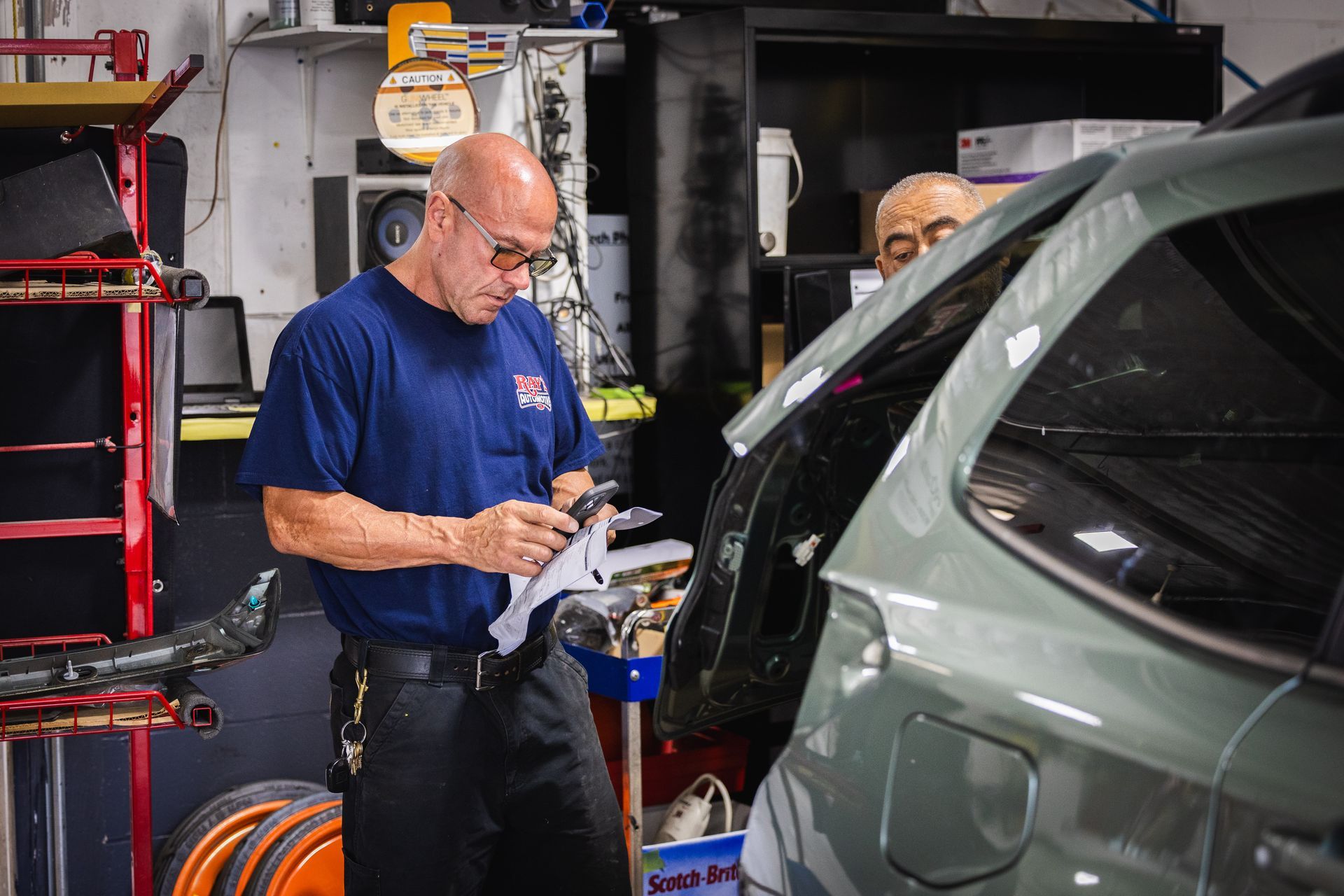
In many cases, the insurance company will initially approve lower-cost options. If those parts don’t fit or meet standards, the shop has to document the issue and resubmit for approval.
- Supplements are submitted when new damage is found
- Parts may need to be reordered and reapproved
This back-and-forth can happen multiple times during a repair and is one of the main reasons timelines extend.
The Repair Is Only One Step
The actual repair work is only one part of a much larger process. While it may seem like the main event, there are several steps happening around it.
The full process includes:
- Administrative coordination
- Parts sourcing and verification
- Ongoing insurance communication
- Quality control and final inspections
By the time the repair begins, much of the work has already been done behind the scenes. The goal is not just to fix the visible damage, but to make sure the vehicle is repaired properly from start to finish.
Frequently Asked Questions
How soon should I contact a body shop after an accident?
As soon as possible. The process starts with that first call. Early contact helps the shop guide you through next steps, handle the claim correctly, and avoid delays.
Why does my estimate change after drop-off?
Because initial estimates only account for visible damage. Once the vehicle is disassembled, additional issues are often found. This is normal and necessary to ensure a complete repair.
Why is insurance slowing things down?
Insurance companies require approvals, documentation, and justification before certain repairs can move forward. This creates a back-and-forth process that can add time, especially when parts or procedures are questioned.
Schedule Your Repair Estimate Today
Let our certified team at Ray’s Automotive inspect your vehicle and provide a clear, accurate estimate.