Why Getting a Second Opinion on Auto Body Repairs Actually Matters
After an accident, the last thing you want is more decisions to make. You're dealing with insurance calls, rental cars, and a vehicle that may or may not be drivable. So when an auto body shop hands you an estimate, it's tempting to just say yes and move on.
But here's something most drivers don't know: the first estimate you receive — especially one arranged by your insurance company — may not fully capture what your vehicle actually needs. Getting an independent second opinion from a shop you choose isn't about being difficult. It's about protecting yourself.
At Ray's Automotive Inc. in Waterbury, CT, we believe every vehicle owner has the right to understand exactly what repairs are being done, why, and whether the work being proposed meets the standard the vehicle was built to. Here's why a second opinion can make a real difference.
1. Insurance Estimates and Shop Estimates Are Not the Same Thing
When your insurance company sends an adjuster — or directs you to a "preferred" or "direct repair" shop — that estimate is created with cost efficiency in mind. Insurance adjusters are trained to identify damage that is visible and quantifiable. What they're often not accounting for is what hasn't been uncovered yet, what parts of the vehicle are structurally involved, or what repair method is truly appropriate for your specific make and model.
Independent shops aren't obligated to keep costs low for an insurer. A shop that works for you — not for the insurance company — can write an estimate based on what the car actually needs to be restored safely and correctly. That's a fundamentally different starting point.
This doesn't mean your insurer is acting in bad faith. It means their process and your interests aren't always perfectly aligned. A second opinion closes that gap.
2. Hidden Damage Doesn't Always Show Up in the First Look
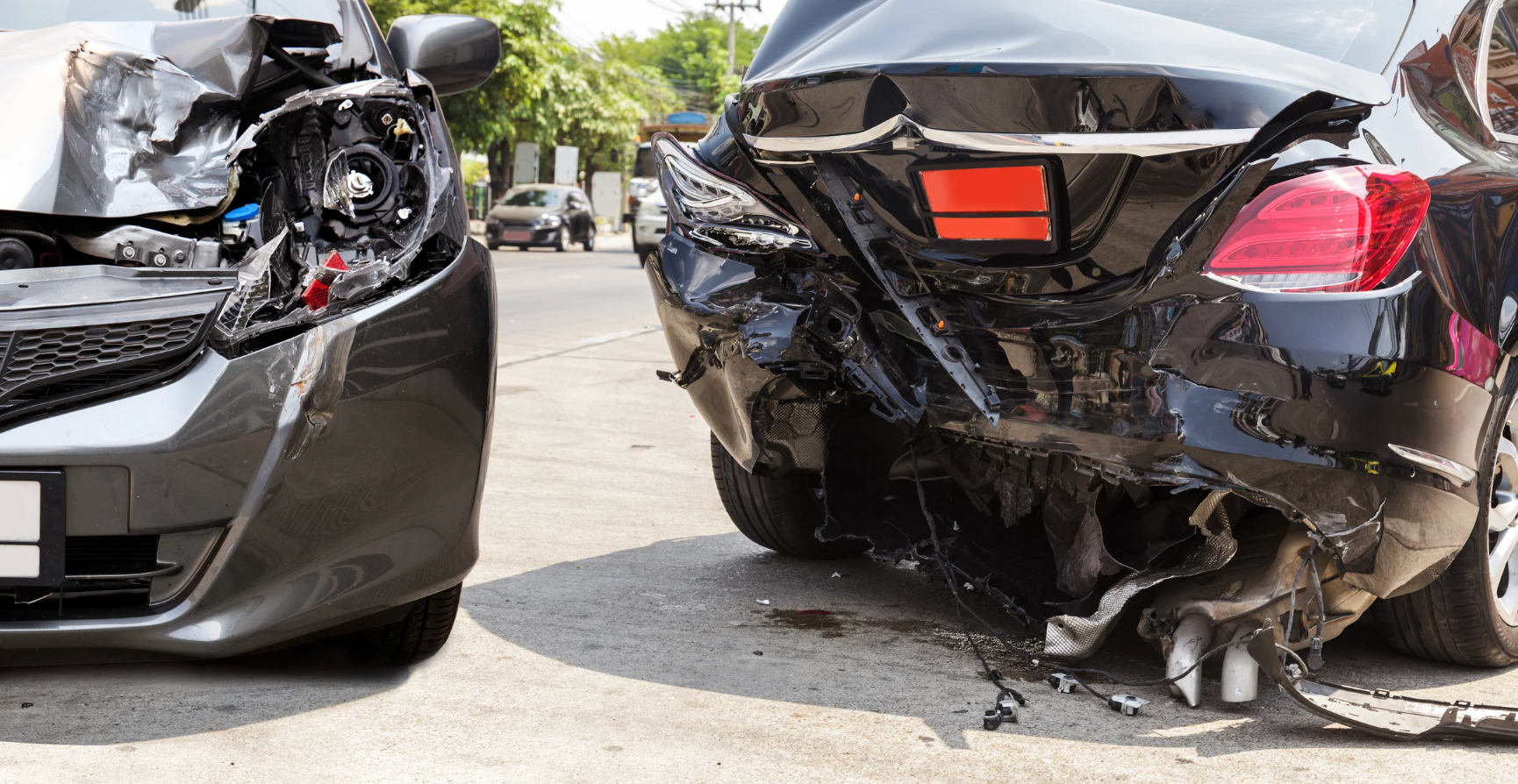
Modern vehicles are engineered with crumple zones, reinforced structural frames, sensor arrays, and calibrated safety systems. When a collision happens — even a relatively minor one — the damage that matters most is often the damage you can't see. A bumper can look cosmetically repaired while the underlying support structure, sensors, or frame rails are still compromised.
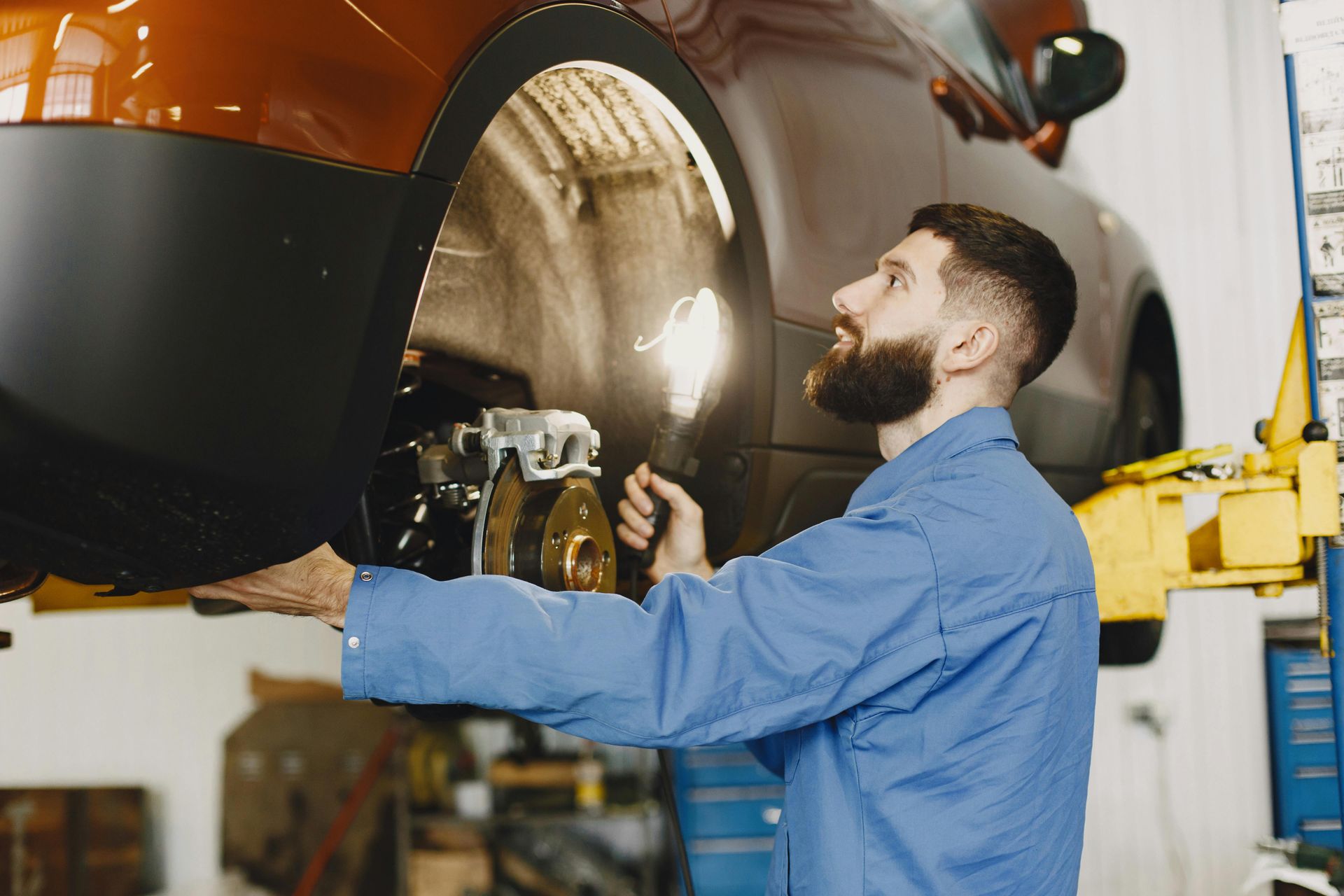
An independent shop that performs a thorough teardown and inspection — rather than a quick visual walkthrough — is much more likely to find that hidden damage before it becomes a safety problem on the road. If an initial estimate was written based on external observation alone, it may be missing a significant portion of the actual repair scope.
A second opinion gives a qualified technician the opportunity to take a closer look on your terms, without the pressure of moving a vehicle through a high-volume facility quickly.
What kinds of hidden damage get missed?
Some of the most commonly overlooked items include: frame and unibody damage that only appears during a computerized measurement check, damage to ADAS sensors (like cameras, radar modules, and parking systems) that require calibration after a collision, structural damage to firewall or floor pan areas, and suspension components that may be bent or displaced. Any of these, left unaddressed, can affect vehicle handling, airbag deployment timing, or overall crash performance in a future accident.
3. You Have the Right to Choose Your Own Repair Shop
In Connecticut, as in most states, you have the legal right to choose where your vehicle is repaired — regardless of what your insurance company recommends. Insurers are permitted to suggest shops, but they cannot require you to use one as a condition of your claim.
Many drivers don't know this. And some insurance representatives — without necessarily meaning to mislead — may use language that implies you need to go to their preferred facility. A second opinion from an independent shop like Ray's Automotive in Waterbury gives you real information to make your own decision, and it gives you leverage to advocate for proper repairs if an initial estimate falls short.
You paid for your insurance coverage. You deserve repairs that restore your vehicle to pre-accident condition — not just repairs that satisfy a minimum threshold at the lowest possible cost.
What should you bring to a second opinion?
When you bring your vehicle in for an independent review, it helps to have the original estimate from the insurer or first shop, any photos taken at the scene of the accident, your claim number and insurance contact information, and any documentation about your vehicle's pre-accident condition (maintenance records, prior repairs). A good shop will walk you through what they find and explain how it compares to the existing estimate.
4. Not All Repairs Are Created Equal — and the Difference Shows Up Later
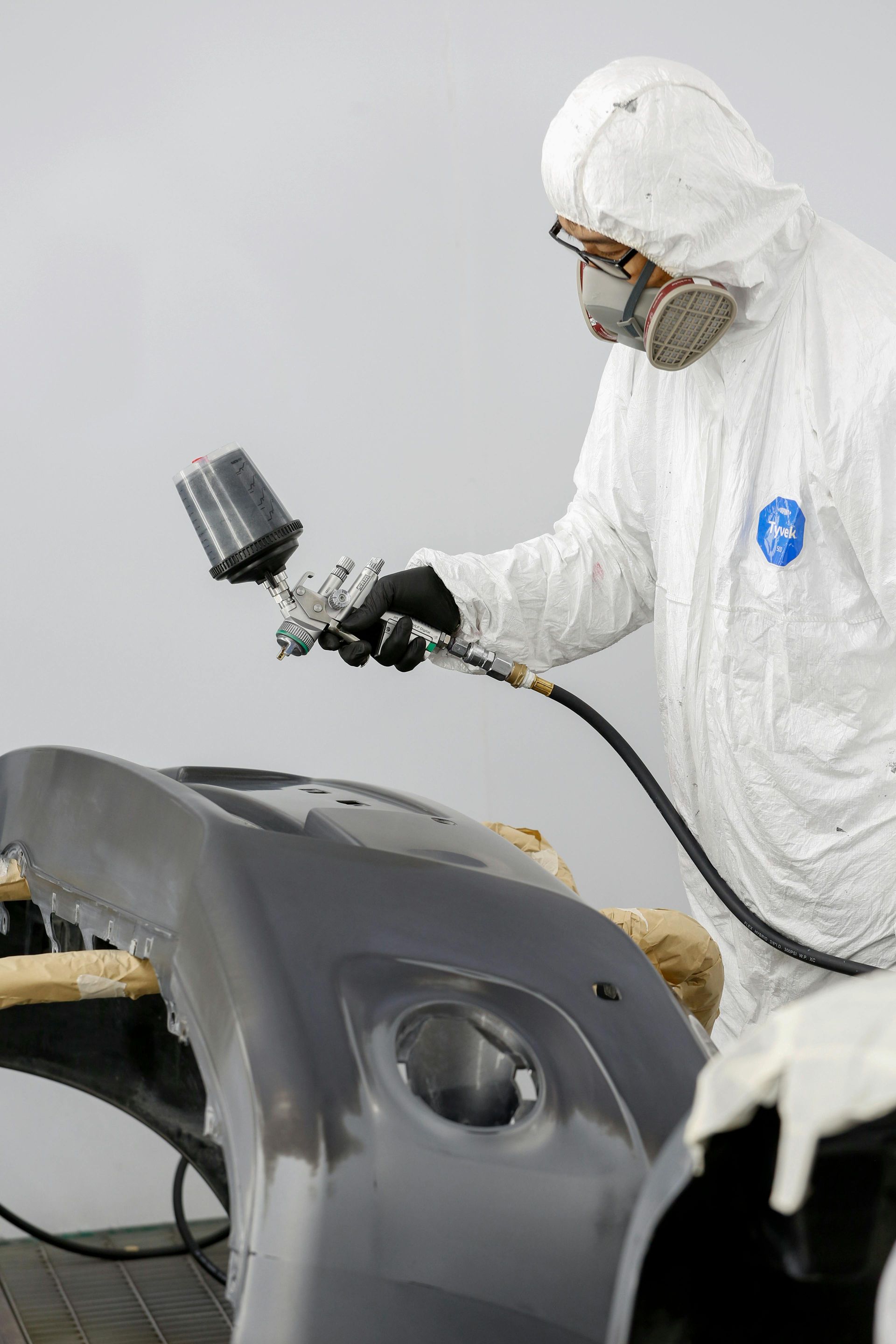
There's a significant difference between a repair that looks right and a repair that is right. A vehicle that has been properly restored will have structural integrity, correct panel fit, paint that holds long-term, and safety systems that work as designed. A vehicle that received the minimum repair will often show signs of that within a year — bubbling paint, panel gaps, rust starting at repair seams, or warning lights related to sensors that were never calibrated.
An independent second opinion is one of the best ways to make sure the repair plan on the table actually accounts for the full scope of what needs to be done. It's not about distrust — it's about verification. Just as you might get a second opinion on a medical procedure, doing so for a vehicle repair affecting your safety is simply good judgment.
At Ray's Automotive, we've seen repairs come through our doors that were done elsewhere and required significant rework. In most of those cases, the vehicle owner had no idea anything was wrong until a problem became obvious. A second opinion at the right time could have prevented that entirely.
5. A Second Opinion Costs You Nothing but Time — and Could Save You Thousands
Most reputable auto body shops — including Ray's Automotive — will provide an estimate or inspection consultation at no cost to you. The time investment of bringing your vehicle in for an independent look is minimal compared to what's at stake: your safety, the value of your vehicle, and potentially thousands of dollars in repair costs that may not surface until later.
If the two estimates align, you have confidence that the proposed repair is fair and appropriate. If they differ significantly, you now have the information you need to ask better questions, negotiate with your insurer, or choose the shop best equipped to do the job right.
Either way, you're better off knowing.
Frequently Asked Questions About Auto Body Second Opinions
Can I get a second opinion even after my insurance has already approved the repair?
Yes. You can get a second opinion at any stage of the process — before repairs begin, during, or even after if you have concerns about the work that was done. Your claim doesn't lock you into a specific shop or outcome.
Will getting a second opinion slow down my claim?
It may add a day or two, but it's rarely more than that. If a second estimate surfaces additional damage, that time is well spent — catching missed items early is far faster than dealing with a supplement or a failed repair later.
Does Ray's Automotive in Waterbury provide second opinions?
Yes. We're happy to review your vehicle and the existing estimate, walk you through what we find, and answer any questions you have — whether you ultimately repair with us or not. Our goal is to make sure you have accurate information.
If your vehicle has been in a collision and you want a straight answer about what it needs, contact Ray's Automotive in Waterbury, CT. We'll take a look, tell you what we see, and help you make the most informed decision possible.