From First Call to Final Delivery

Ray's Automotive • March 30, 2026

When your vehicle is in the shop for collision repair, the process can feel overwhelming.


At Ray’s Automotive, we guide you through every step, from your first call to the moment you drive your car home. Understanding the repair process helps set expectations, reduces surprises, and ensures your vehicle is restored safely and correctly.


This guide breaks down each stage, showing what happens, why it matters, and how we work with you and your insurance company to get your car back on the road.

Step 1: Initial Contact

The process begins the moment you reach out to the shop. This first step is more important than most people realize because it sets the tone for everything that follows.


During this stage, the shop gathers key details:


  • What happened in the accident
  • The condition of the vehicle
  • Whether the car is drivable or needs towing
  • Your insurance information


This is also where a lot of education happens. Many customers don’t fully understand their insurance coverage, so the shop explains what to expect, what challenges may come up, and how the process will likely unfold.


This first interaction helps prevent confusion later and prepares the customer for the steps ahead.

Step 2: Inspection and Estimate

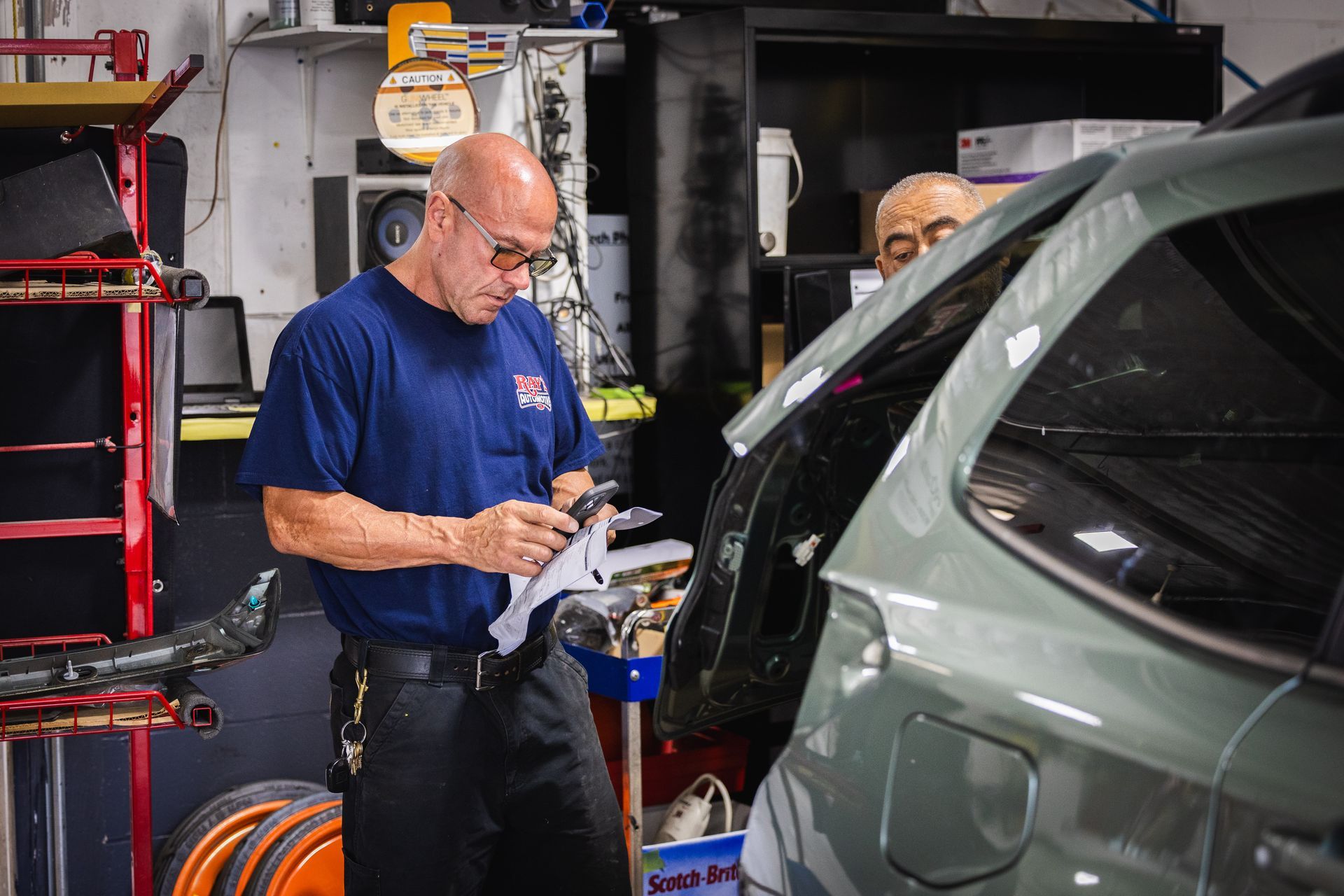
Once the vehicle arrives, the shop performs an initial inspection. This is based only on visible damage and is used to create a starting estimate.


At this point:


  • The damage is documented
  • Photos may be taken for insurance
  • An initial repair plan is created


It’s important to understand that this estimate is not final. Because the vehicle has not yet been disassembled, there is always the possibility of additional damage being found later.


This step is meant to get the process moving, not define the total cost.

Step 3: Disassembly and Discovery

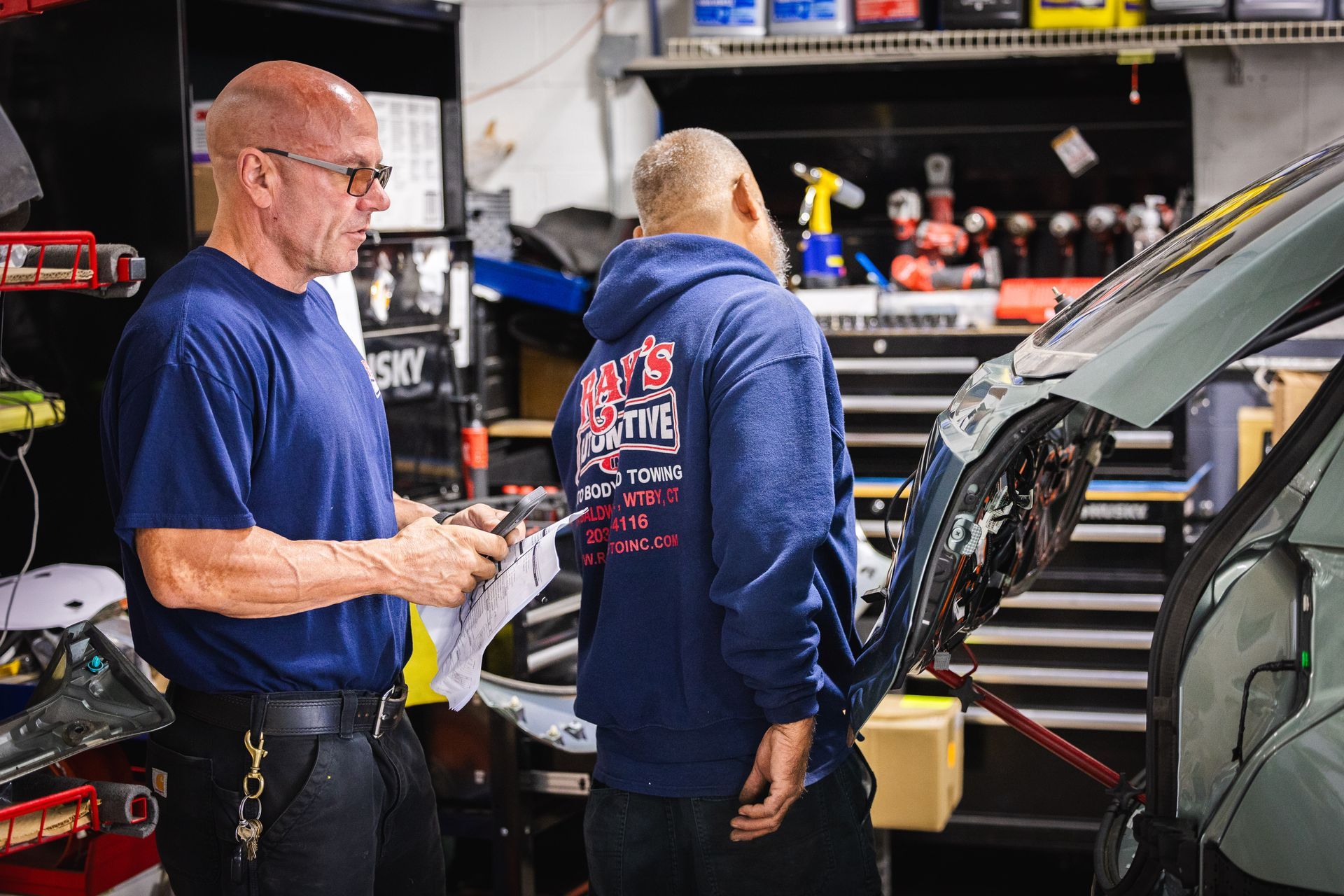
After the initial estimate, the vehicle is taken apart to inspect what’s underneath the surface.


This is one of the most important stages because:


  • Hidden damage is identified
  • Structural components are inspected
  • The true scope of the repair becomes clear


In many cases, what looked like a minor repair turns into something more involved once internal damage is exposed. The shop then updates the repair plan and submits a revised estimate to the insurance company.


This step explains why costs and timelines often change after drop-off.

Step 4: Insurance and Repair

Once the full scope of damage is known, the shop works closely with the insurance company to get approvals for the necessary repairs.


This part of the process includes:


  • Submitting supplements with updated findings
  • Providing documentation and photos
  • Justifying why certain parts or procedures are required


Communication continues throughout this stage, and adjustments may be made as needed. In some cases, parts may be ordered, tested, and rejected if they don’t meet standards, which requires resubmission and further approval.


While this is happening, the actual repair work is completed:


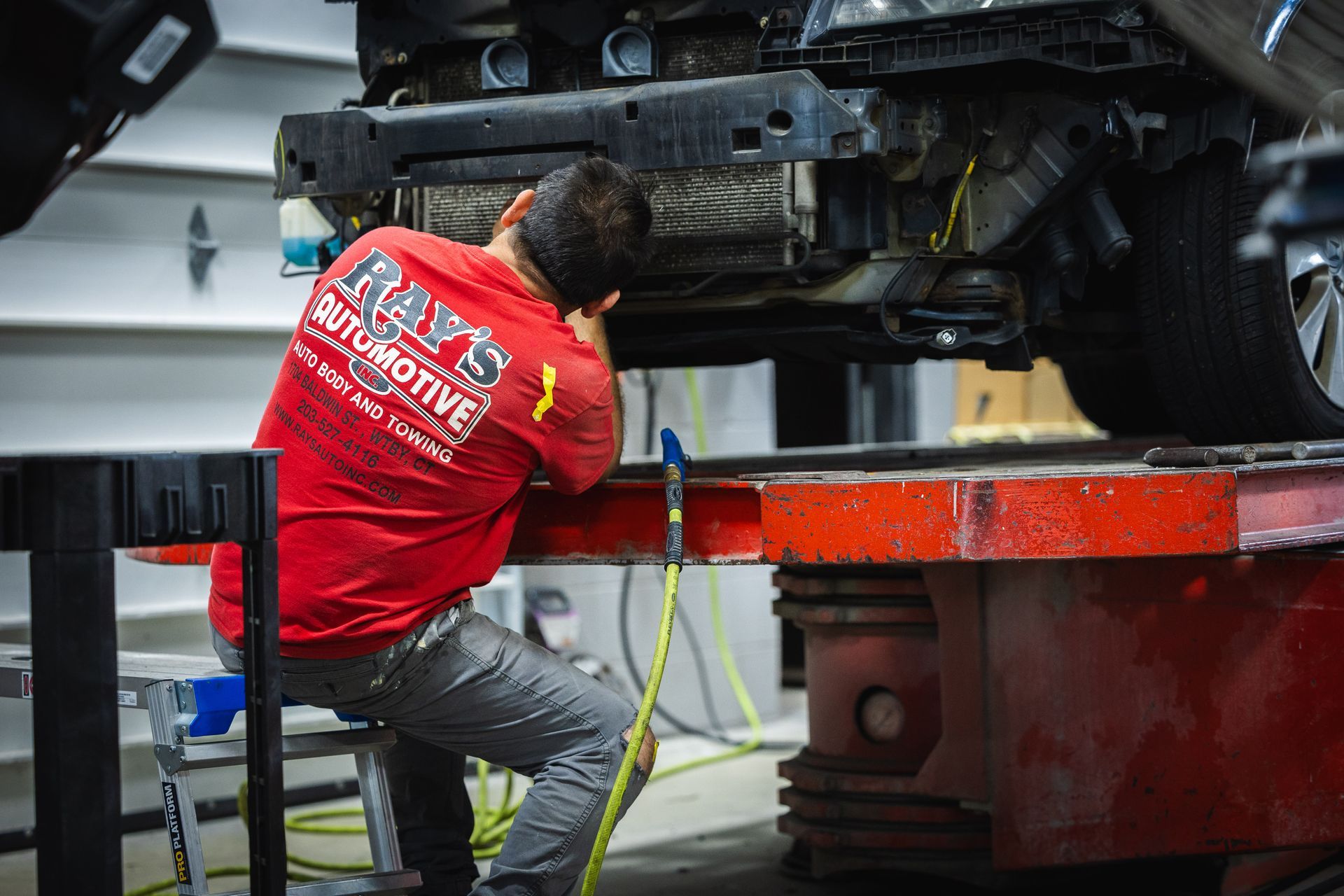
  • Structural and body repairs are performed
  • Parts are installed and fitted properly
  • Systems are addressed as needed


This stage often takes the longest because it combines both physical repair work and ongoing insurance coordination.

Step 5: Final Checks and Delivery

Before the vehicle is returned, it goes through a final inspection process to ensure everything has been completed correctly.


This includes:


  • Reviewing all completed repairs
  • Checking fitment and finish
  • Verifying that all systems are functioning properly


The goal is not just to return the car looking repaired, but to ensure it has been restored properly from both a structural and functional standpoint.


Only after these checks are complete is the vehicle ready for delivery.

Frequently Asked Questions

  • How long does the full process take?

    It depends on the extent of the damage, parts availability, and how long insurance approvals take. Some repairs move quickly, while others take longer due to these factors.

  • Will I be updated during the repair?

    Yes. Communication is part of the process, especially when there are changes to the repair plan, delays, or insurance updates.

  • What happens before I pick up my car?

    The vehicle goes through final inspections to make sure all repairs are completed properly and everything is functioning as it should before delivery.

Schedule Your Repair Estimate Today

Let our certified team at Ray’s Automotive inspect your vehicle and provide a clear, accurate estimate.

A silver Chevrolet Camaro parked on an asphalt lot beside a building.
By Ray's Automotive March 30, 2026
Modern vehicles require advanced repair methods. Learn how sensors, calibrations, and procedures affect today’s collision repair process.
A person in a red hoodie and black cap inspecting the front grille of a Ford Bronco with the hood open, holding papers.
By Ray's Automotive March 30, 2026
Not all accident damage is visible. Learn how hidden damage is found during teardown and why repair costs and timelines can change.
Two people in an auto shop workspace examine a dark vehicle component together.
By Ray's Automotive March 30, 2026
Collision repair involves more than fixing damage. Learn why the process takes time and what factors affect repair timelines.
A mechanic in a white t-shirt and shorts crouches to work on a car tire inside a garage with the Ray's Automotive logo.
By Ray's Automotive March 30, 2026
Not all body shops repair vehicles the same way. Learn what to look for, what questions to ask, and how to choose the right shop.
A dark car with its trunk open in a professional automotive repair shop, featuring metal repair equipment in the foreground.
By Ray's Automotive March 30, 2026
A cheap collision repair can lead to safety risks and higher costs later. Learn the difference between low-cost fixes and proper repairs.
A white vehicle missing its front bumper and grille, revealing the metal frame and radiator, parked outdoors.
By Ray's Automotive March 30, 2026
Learn what actually happens after a car accident, from first call to final repair, including hidden damage, insurance delays, and the full process.
A red tool case filled with various silver metal socket wrenches and tools, with a Ray’s Automotive logo on the left.
By Ray's Automotive March 27, 2026
Insurance plays a major role in collision repair. Learn how approvals, parts, and negotiations impact your repair timeline and outcome.
A mechanic is holding a wrench and giving a thumbs up in a garage.
February 17, 2025
Peeling paint can be caused by poor previous repairs, exposure to the elements, or failing clear coat here s how to spot the signs and what to do next.
Two cars are damaged in a car accident on the side of the road.
By Ruan Marinho February 17, 2025
From documenting damage to contacting your repair shop, this guide walks you through the steps to take after a collision.
A close up of a red car 's headlight and grille.
February 17, 2025
Not everything you hear about auto body work is true learn the facts behind some of the most common repair misconceptions.