Hidden Damage After a Crash

Ray's Automotive • March 30, 2026

Why Damage Isn’t Always Visible

What you see on the outside of a vehicle after an accident rarely tells the full story. Modern vehicles are designed with multiple layers of materials, including plastic covers, reinforcements, and internal structures that absorb impact.


For example, both front and rear bumpers are mostly plastic on the surface. That outer layer can flex or hide damage, while the components behind it take the actual force of the impact.


Because of this, a vehicle may look like it only has a small dent or scratch, when in reality:


  • The structure behind the panel may be compromised
  • Mounting points and supports may be damaged
  • Energy-absorbing components may no longer function properly


This is why visual inspections are only the first step.

What Happens During Teardown

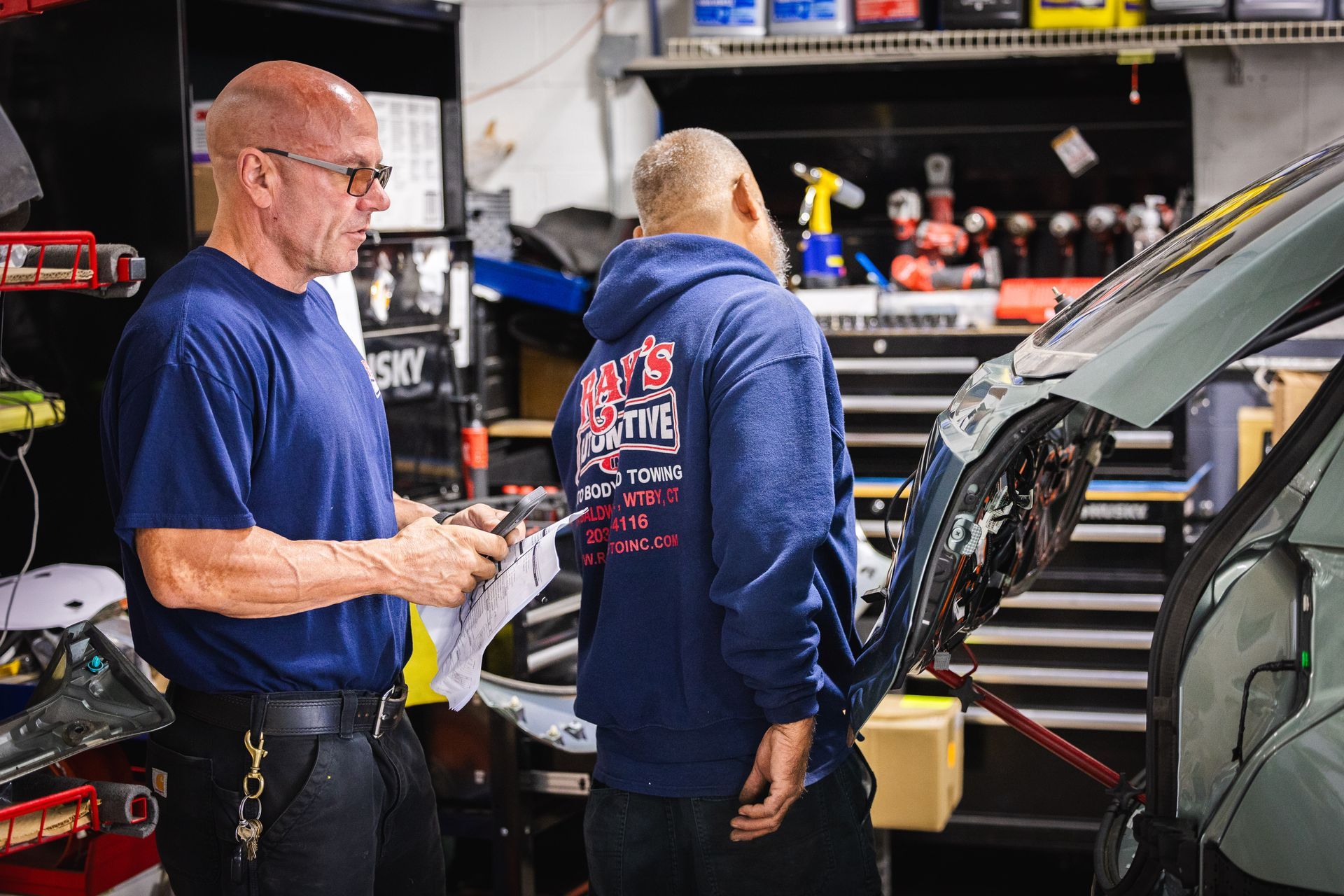
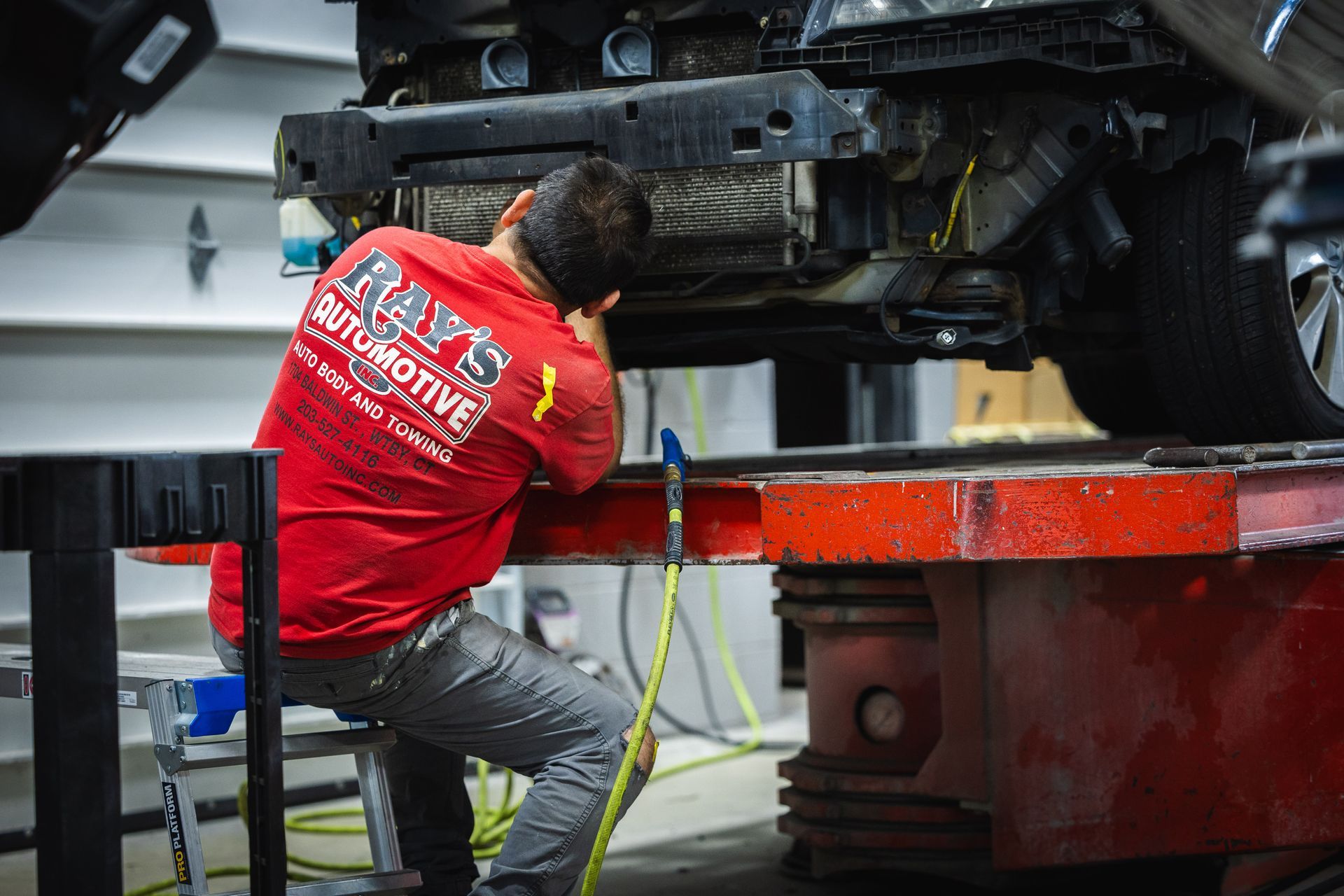
Disassembly, or teardown, is when the real condition of the vehicle is revealed. Once panels, bumper covers, and trim pieces are removed, the shop can inspect what actually took the impact.


At this stage, it’s common to find:


  • Damaged impact bars behind bumpers
  • Broken or bent brackets and supports
  • Crushed or shifted structural components


Front-end collisions are especially complex because of how many parts are packed into that area, including radiators, sensors, and multiple layers of plastic and metal. Rear impacts can also be misleading. A bumper may look fine until it’s removed, revealing damage to the rear body panel or surrounding structure.


In some cases, what appears to be a minor hit can turn into a major repair once everything is exposed.

Why Estimates Change

Initial estimates are based only on visible damage. They are meant to get the process started, not to define the final cost.


After teardown:


  • Additional damage is documented
  • The repair plan is updated
  • A revised estimate (supplement) is sent to insurance


It’s common for the final repair cost to be significantly higher than the original estimate. This is not due to poor planning—it’s because the full extent of the damage simply wasn’t visible at the start.

The Importance of Full Inspection

A thorough inspection ensures the vehicle is repaired correctly, not just cosmetically.


Shops need to identify:


  • All structural and internal damage
  • Any components that affect safety systems
  • Areas that may impact how the vehicle performs in another accident


Skipping or rushing this step can leave hidden damage behind. That can lead to problems later, whether it’s poor alignment, part failure, or safety systems not working as intended.


The goal is to restore the vehicle fully—not just make it look repaired on the surface.

Frequently Asked Questions

  • Why can’t you see all damage right away?

    Because many critical components are hidden behind panels, bumper covers, and structural layers. The outer surface often hides where the actual impact was absorbed.

  • Is it normal for repair costs to increase?

    Yes. Once the vehicle is disassembled, additional damage is often found. Updating the estimate after teardown is a standard part of collision repair.

  • Can hidden damage affect safety?

    Yes. Damage to structural components or internal systems can directly affect how the vehicle performs in another accident and how safety features respond.

Schedule Your Repair Estimate Today

Let our certified team at Ray’s Automotive inspect your vehicle and provide a clear, accurate estimate.

A silver Chevrolet Camaro parked on an asphalt lot beside a building.
By Ray's Automotive March 30, 2026
Modern vehicles require advanced repair methods. Learn how sensors, calibrations, and procedures affect today’s collision repair process.
A mechanic wearing a red shirt with Ray's Automotive branding works on the front headlight assembly of a vehicle.
By Ray's Automotive March 30, 2026
See the full collision repair process step by step, from initial contact to final delivery, including inspections, insurance, and repairs.
Two people in an auto shop workspace examine a dark vehicle component together.
By Ray's Automotive March 30, 2026
Collision repair involves more than fixing damage. Learn why the process takes time and what factors affect repair timelines.
A mechanic in a white t-shirt and shorts crouches to work on a car tire inside a garage with the Ray's Automotive logo.
By Ray's Automotive March 30, 2026
Not all body shops repair vehicles the same way. Learn what to look for, what questions to ask, and how to choose the right shop.
A dark car with its trunk open in a professional automotive repair shop, featuring metal repair equipment in the foreground.
By Ray's Automotive March 30, 2026
A cheap collision repair can lead to safety risks and higher costs later. Learn the difference between low-cost fixes and proper repairs.
A white vehicle missing its front bumper and grille, revealing the metal frame and radiator, parked outdoors.
By Ray's Automotive March 30, 2026
Learn what actually happens after a car accident, from first call to final repair, including hidden damage, insurance delays, and the full process.
A red tool case filled with various silver metal socket wrenches and tools, with a Ray’s Automotive logo on the left.
By Ray's Automotive March 27, 2026
Insurance plays a major role in collision repair. Learn how approvals, parts, and negotiations impact your repair timeline and outcome.
A mechanic is holding a wrench and giving a thumbs up in a garage.
February 17, 2025
Peeling paint can be caused by poor previous repairs, exposure to the elements, or failing clear coat here s how to spot the signs and what to do next.
Two cars are damaged in a car accident on the side of the road.
By Ruan Marinho February 17, 2025
From documenting damage to contacting your repair shop, this guide walks you through the steps to take after a collision.
A close up of a red car 's headlight and grille.
February 17, 2025
Not everything you hear about auto body work is true learn the facts behind some of the most common repair misconceptions.