Why the Repair Process Isn’t Simple
Most people expect collision repair to be straightforward: drop the car off, wait a few days, and pick it up fixed. On the surface, it seems like a simple process.
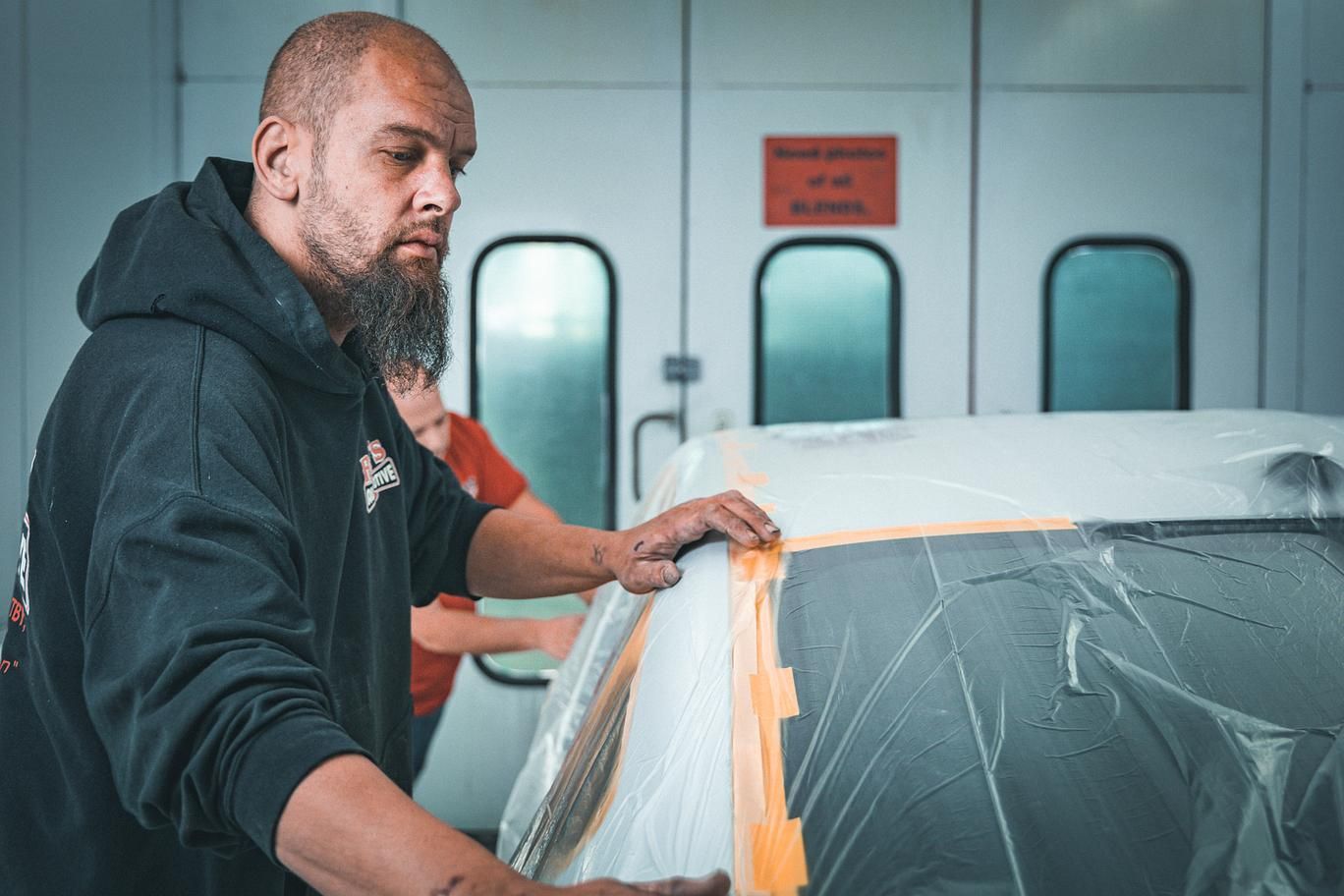
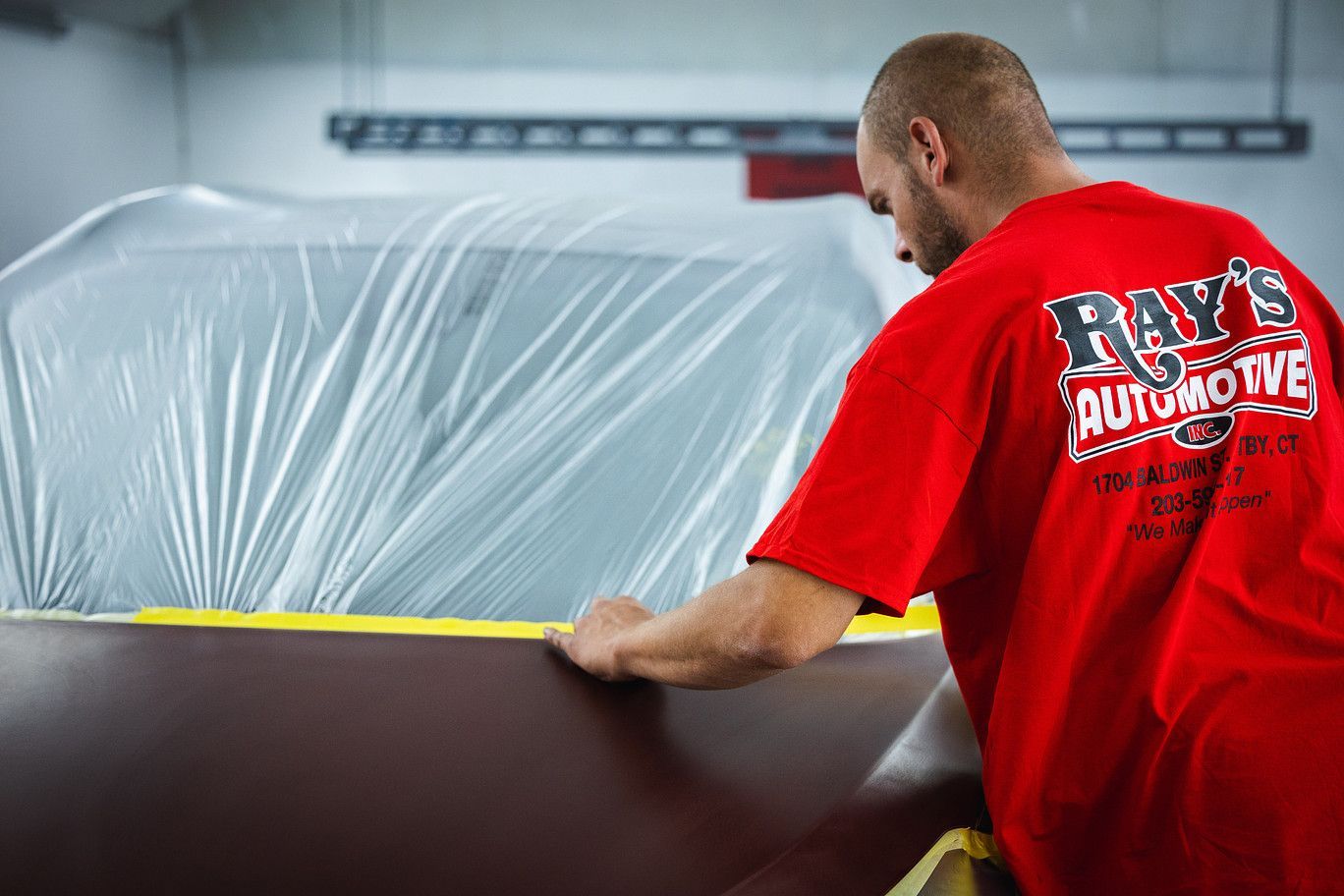
In reality, it’s much more involved. From the shop’s perspective, the repair is not a single step—it’s a series of stages that all depend on each other. There are also multiple parties involved, including the customer, the shop, and the insurance company.
What makes it more complicated is that many of these steps are not visible to the customer. The process may look slow from the outside, but internally there is constant movement and coordination.
What Happens Behind the Scenes
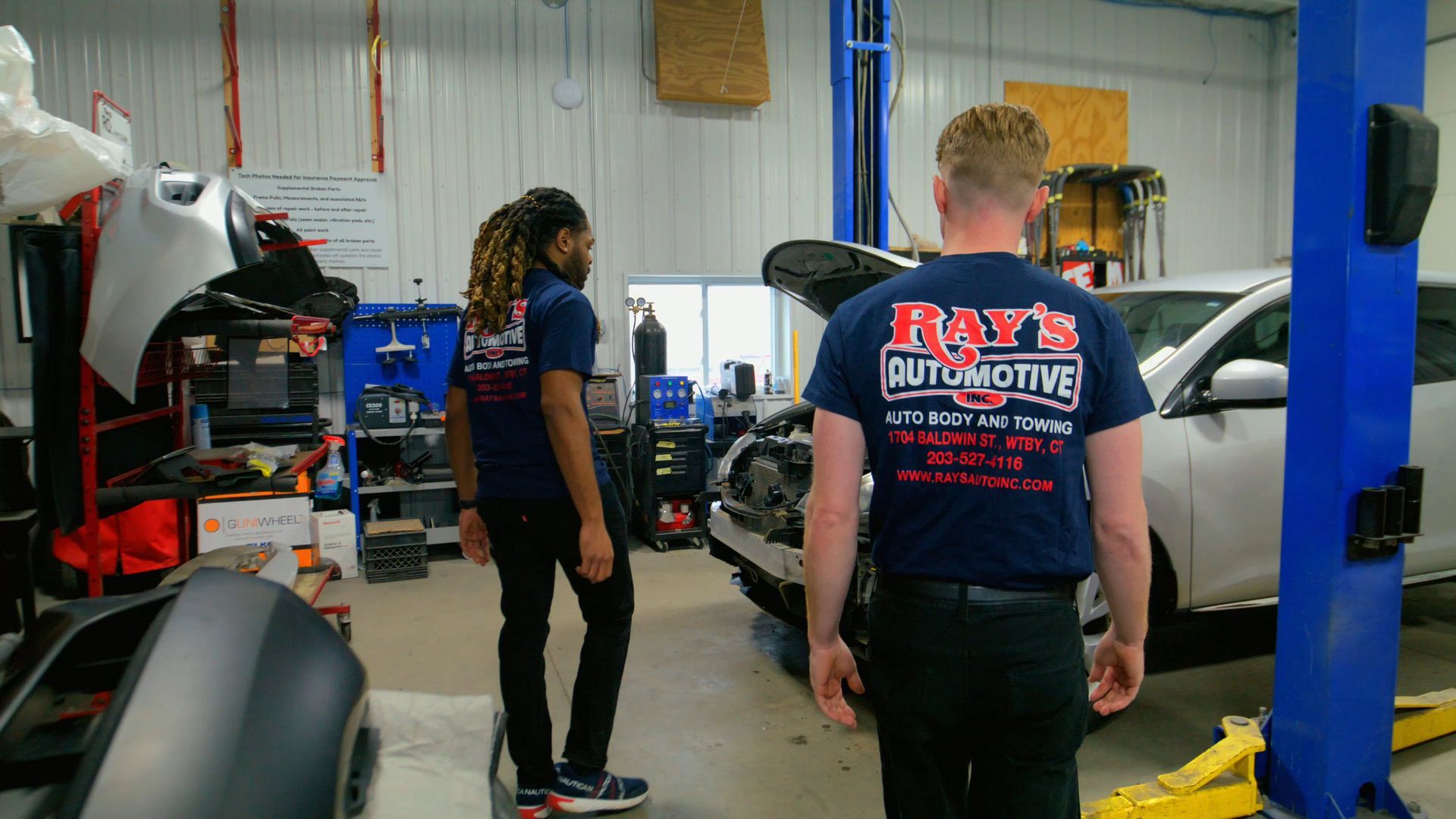
Even a standard repair involves more than just fixing damaged panels. There is a structured workflow that has to be followed to ensure everything is done correctly.
This typically includes:
- Initial intake and inspection
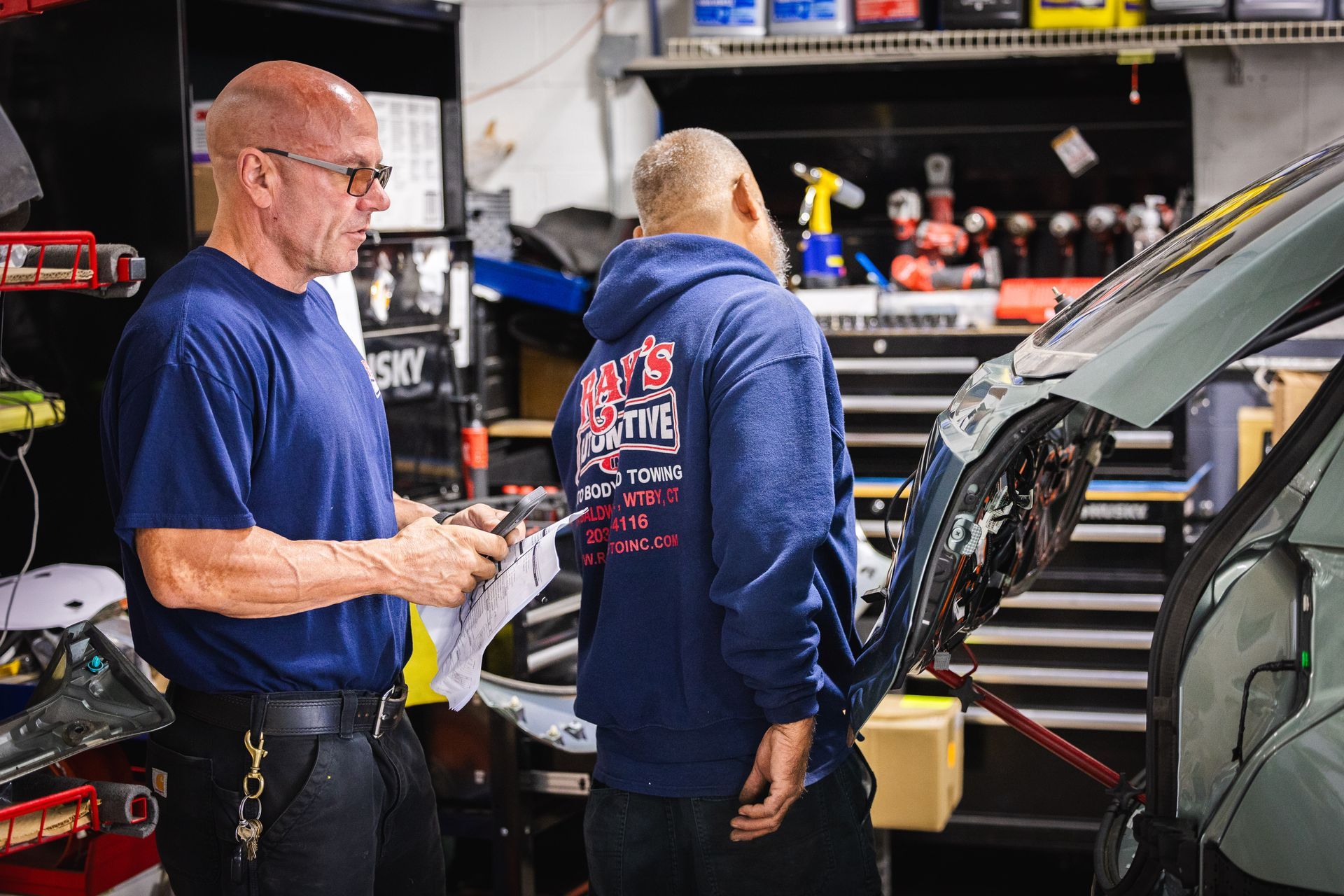
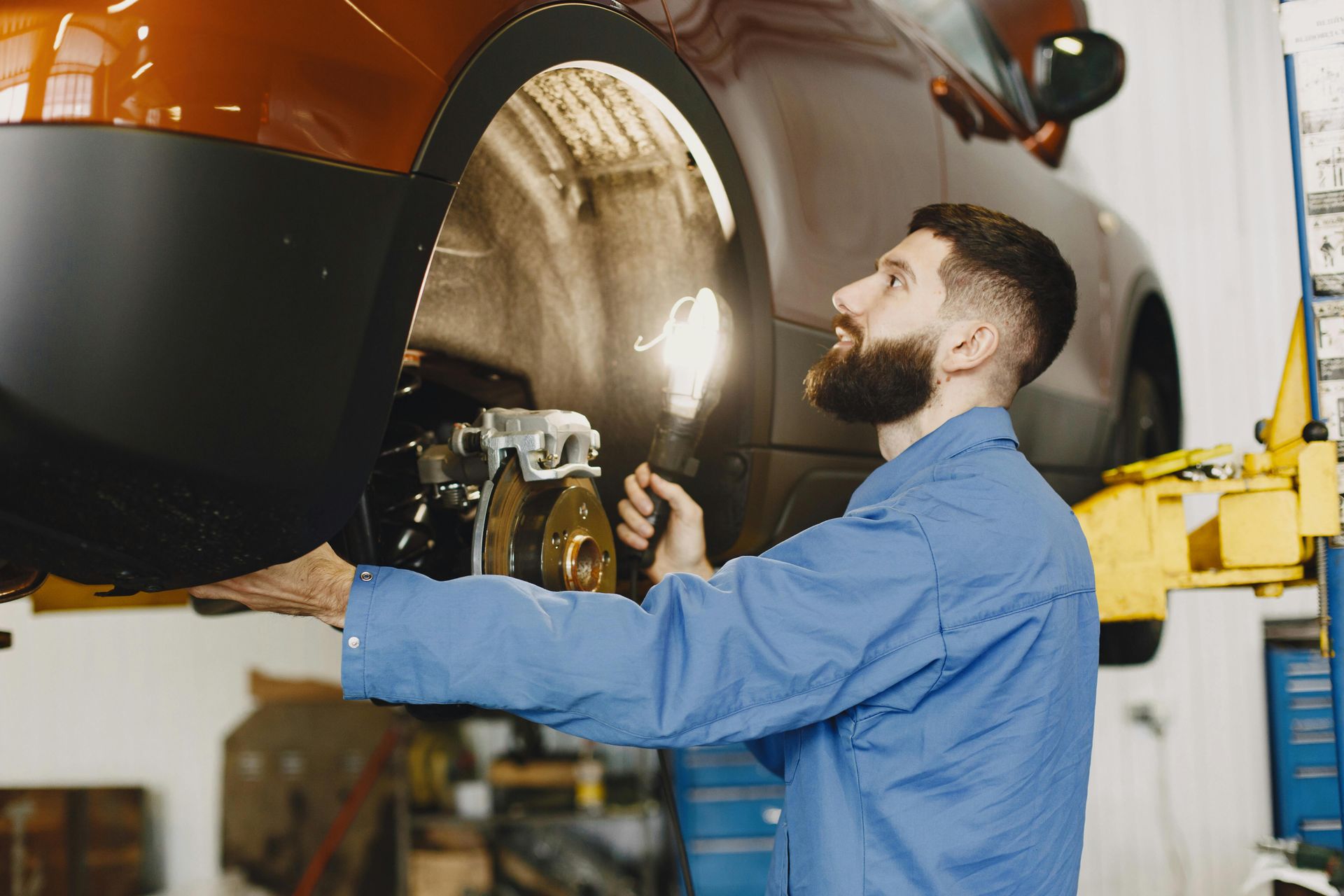
- Disassembly to uncover hidden damage
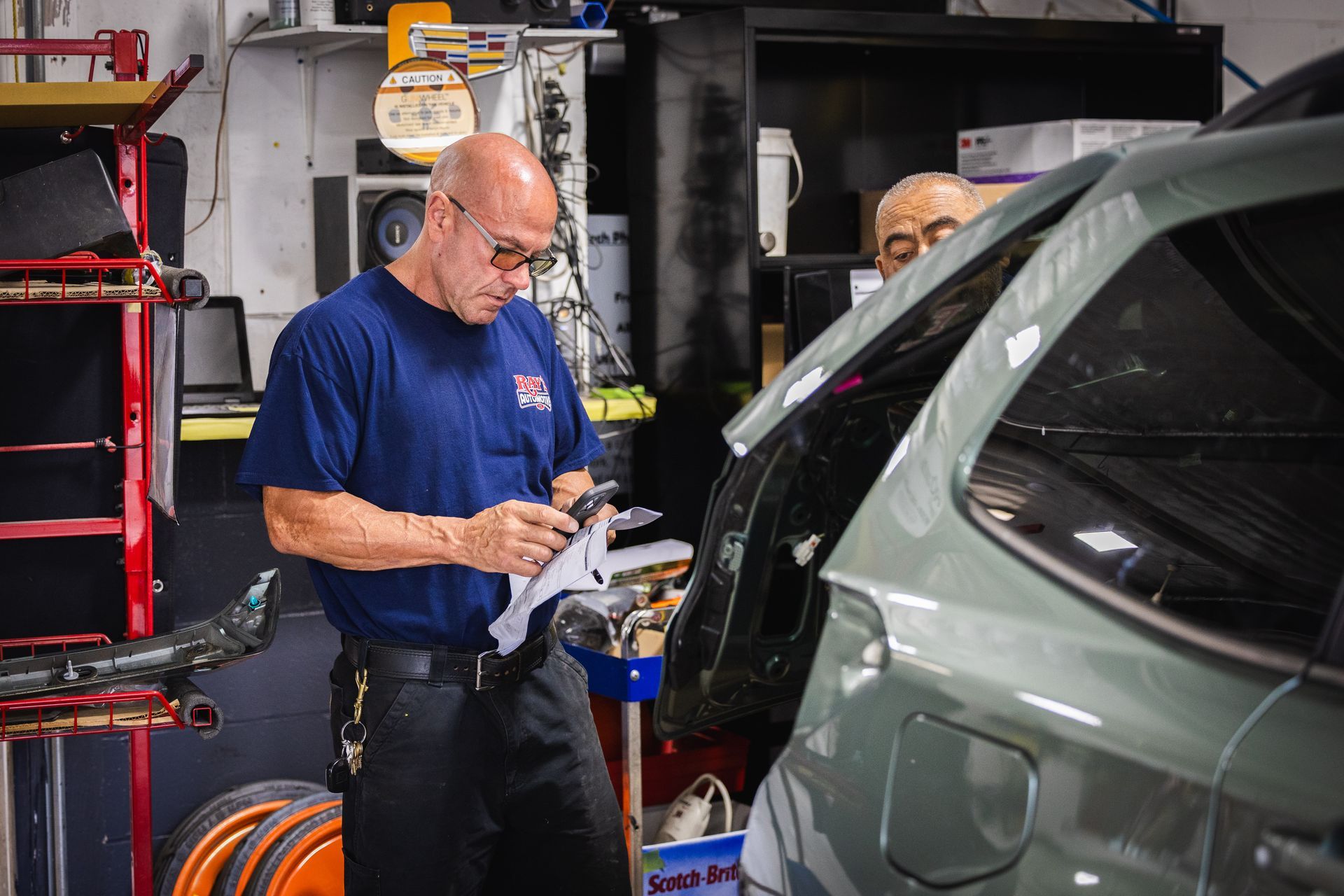
- Updating the repair plan and estimate
- Ongoing communication with the insurance company
- Ordering and verifying parts
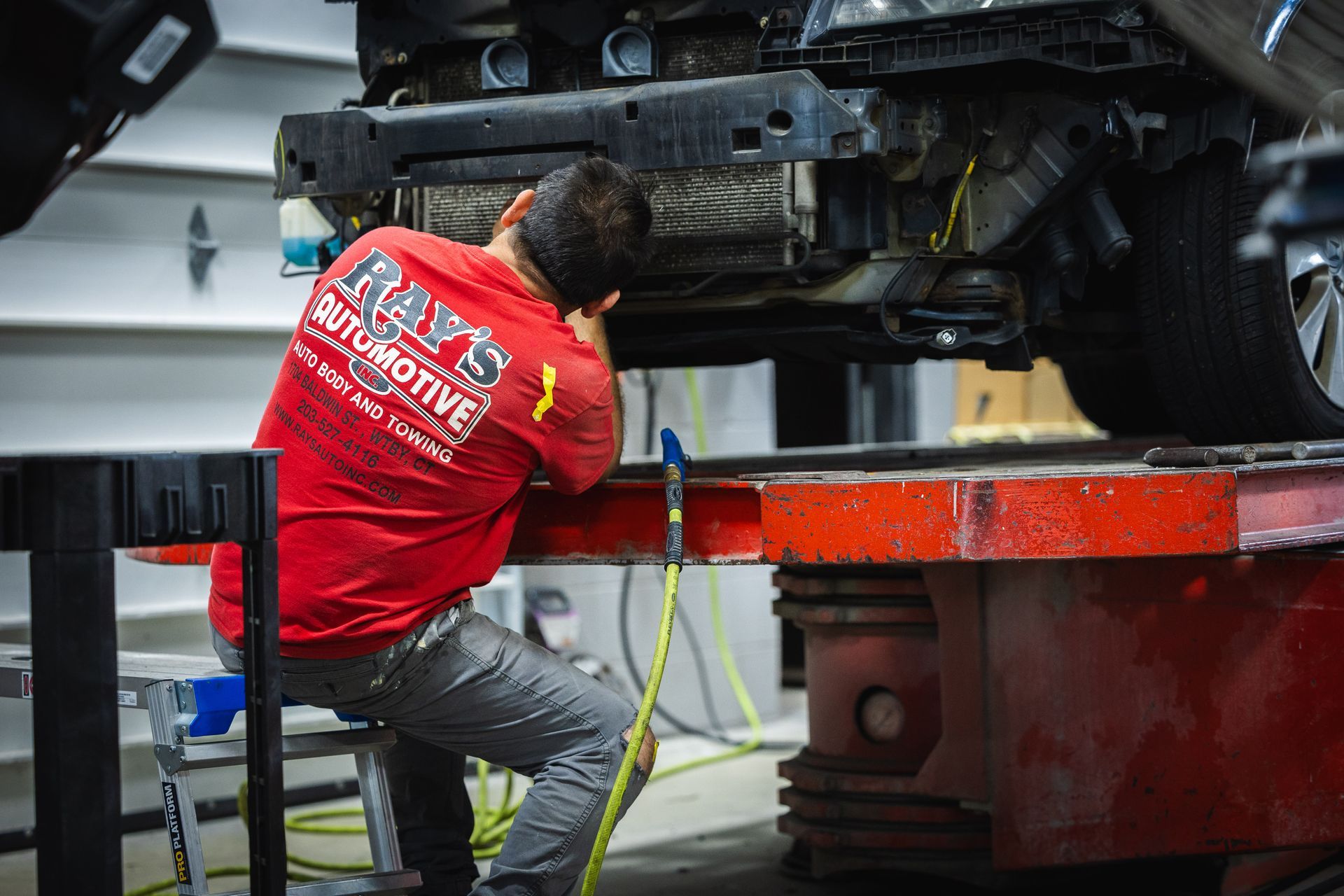
- Completing the repair and reassembly
- Final inspections and quality checks
Each step builds on the last. For example, the repair cannot move forward until the vehicle is disassembled and the full extent of damage is known. Insurance approvals are often required before parts can be ordered or work can continue.
From the outside, it may seem like delays—but internally, each step is necessary to avoid mistakes and ensure the repair is complete.
Outside Factors Add Complexity
A major reason the process feels complicated is because many factors are outside the shop’s control.
The most common ones include:
- Insurance approvals and negotiations
- Parts availability and shipping delays
Insurance companies may take time to approve updated estimates, especially when additional damage is found. In some cases, parts are ordered, tested, and then rejected if they don’t fit or meet standards—requiring the process to start again.
Parts availability is another major factor. Some components may take weeks to arrive, especially for newer or less common vehicles. In certain cases, parts may not be available at all, which can change the entire outcome of the repair.
These variables make it difficult to give exact timelines upfront.
Understanding the Process Helps
When customers understand how the process works, it becomes easier to navigate.
Knowing that:
- Estimates can change after teardown
- Insurance approvals take time
- Parts delays are common
…helps set realistic expectations from the beginning.
The key takeaway is that the process is detailed for a reason. Each step is there to ensure the vehicle is repaired properly, not just quickly.
Frequently Asked Questions
Why does repair take longer than expected?
Because the process involves multiple stages, including disassembly, insurance approvals, and parts ordering. Additional damage found during teardown can also extend the timeline.
What causes most delays?
The biggest factors are insurance approvals and parts availability. Both can involve waiting periods that are outside the shop’s control.
Is the process always this involved?
Yes, especially with modern vehicles. Increased complexity, required procedures, and insurance involvement all contribute to a more detailed repair process.
Schedule Your Repair Estimate Today
Let our certified team at Ray’s Automotive inspect your vehicle and provide a clear, accurate estimate.