

Why Windshields Crack in Winter and When a Chip Can Be Repaired

Ray's Automotive • November 13, 2026

Why Windshields Crack in Winter and When a Chip Can Be Repaired

A small chip in October can turn into a long crack by January. Connecticut winters are hard on windshields, and newer vehicles add another layer of complexity because of the cameras and sensors mounted behind the glass. Here's why winter cracks happen and how to know whether your windshield can be repaired or needs replacement.

Why Windshields Crack in Cold Weather

Cold alone usually isn't the cause. The bigger factor is rapid temperature change. Glass expands when it warms and contracts when it cools. Pulling a car from a warm garage into freezing air, or blasting the defroster on a frozen windshield, puts stress on the glass. If there's already a chip, that stress can spread it into a crack.

Winter Roads Throw More Debris

Winter roads also carry more debris. The salt and sand mixtures spread on roads aren't free of gravel, and trucks and other vehicles kick that material into the air. That makes chips more likely in winter, and chips are where most cracks begin.

Can a Windshield Chip Be Repaired?

Often, yes. A common rule of thumb is that small chips, and cracks shorter than a dollar bill, can be filled with resin to stop them from spreading and make them nearly invisible. Location matters as much as size, though. Damage in the driver's line of sight or near a forward-facing camera may not be repairable.

Many newer vehicles have cameras and sensors mounted behind the windshield for features like lane keeping and automatic braking. Manufacturers set the rules on what can be repaired, and those rules change often. On some vehicles, any damage in the camera zone means replacement, followed by camera calibration so the safety systems work correctly. Older windshields without sensors are usually simpler to repair.

Ray's Automotive offers automotive glass replacement and checks your vehicle's specific requirements so the job is done right. Learn more about calibrations in modern repair.

Frequently Asked Questions

  • Why does my windshield crack in cold weather?

    Windshields usually crack in winter because of fast temperature changes, not the cold itself. Glass expands and contracts as it warms and cools, which stresses any existing chip. Moving from a warm garage to freezing air or using high defrost on frozen glass can turn a small chip into a crack.

  • Can a windshield chip be repaired, or does it need to be replaced?

    Many small chips can be repaired with resin, which stops spreading and makes the damage hard to see. Replacement is usually needed when the crack is long, sits in the driver’s line of sight, or is near a camera or sensor. Your vehicle’s manufacturer guidelines decide what’s allowed.

  • Does a new windshield need camera calibration?

    If your vehicle has a camera or sensors behind the windshield, calibration is typically required after replacement. Calibration makes sure features like lane departure warning and automatic emergency braking see the road correctly. Skipping it can leave safety systems working improperly.

  • How can I keep a windshield chip from spreading in winter?

    Get the chip repaired as soon as possible. Until then, avoid sudden temperature changes, warm the cabin gradually, and don’t pour hot water on frozen glass. Avoid slamming doors, which can flex the glass, and keep extra distance from trucks on salted roads.

  • Will insurance cover windshield repair or replacement?

    Glass damage is often covered under the comprehensive portion of an auto policy, but coverage and deductibles vary by policy. Check with your insurance agent. Ray’s Automotive works with many insurance carriers and can help with the claim.

Chipped or cracked windshield in the Waterbury area? Ray's Automotive at 1704 Baldwin Street can assess it and recommend the safest option for your vehicle. Contact us today.

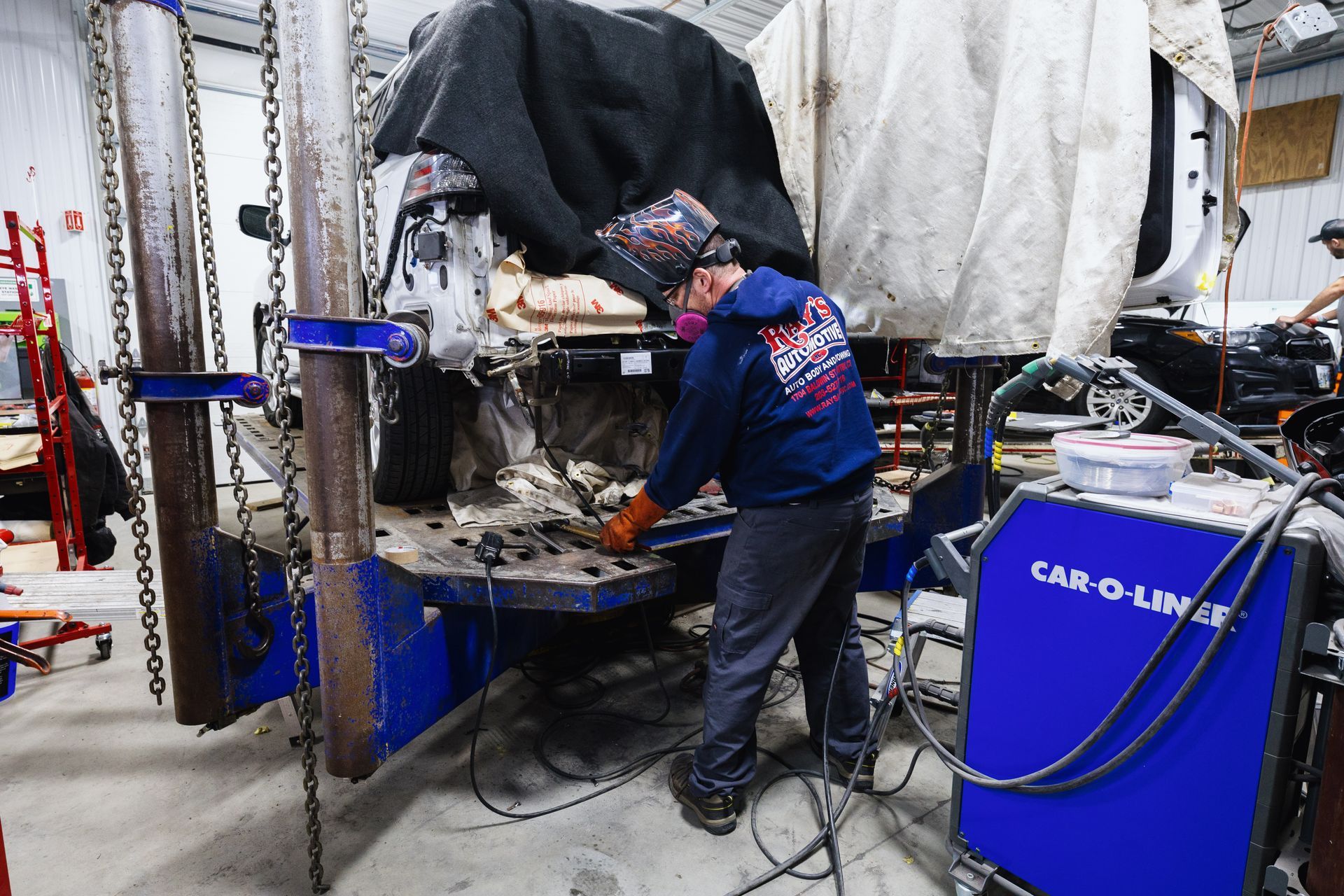
Ray's Automotive team member reviewing a collision repair estimate with customers beside a vehicle
By Ray's Automotive • November 13, 2026
Why do collision repair estimates vary so much between shops? Learn what drives the gap and how to tell if a body shop estimate is fair in Waterbury, CT.
Deer standing at the edge of a wooded Connecticut road at dusk
By Ray's Automotive • November 13, 2026
Hit a deer in Connecticut? Learn what to do at the scene, why choosing your own tow matters, and how deer damage is typically covered by auto insurance.
Road salt and slush on the lower body of a car during a Connecticut winter
By Ray's Automotive • November 13, 2026
Does road salt damage your car? Learn where salt really causes rust, why clear coat helps, and how often Connecticut drivers should wash their cars in winter.
SUV front bumper against an icy plowed snowbank in winter
By Ray's Automotive • November 13, 2026
Can paintless dent repair fix dents from ice or snow? Learn when PDR works and what drives the cost of bumper repair after hitting a snowbank in Waterbury, CT.
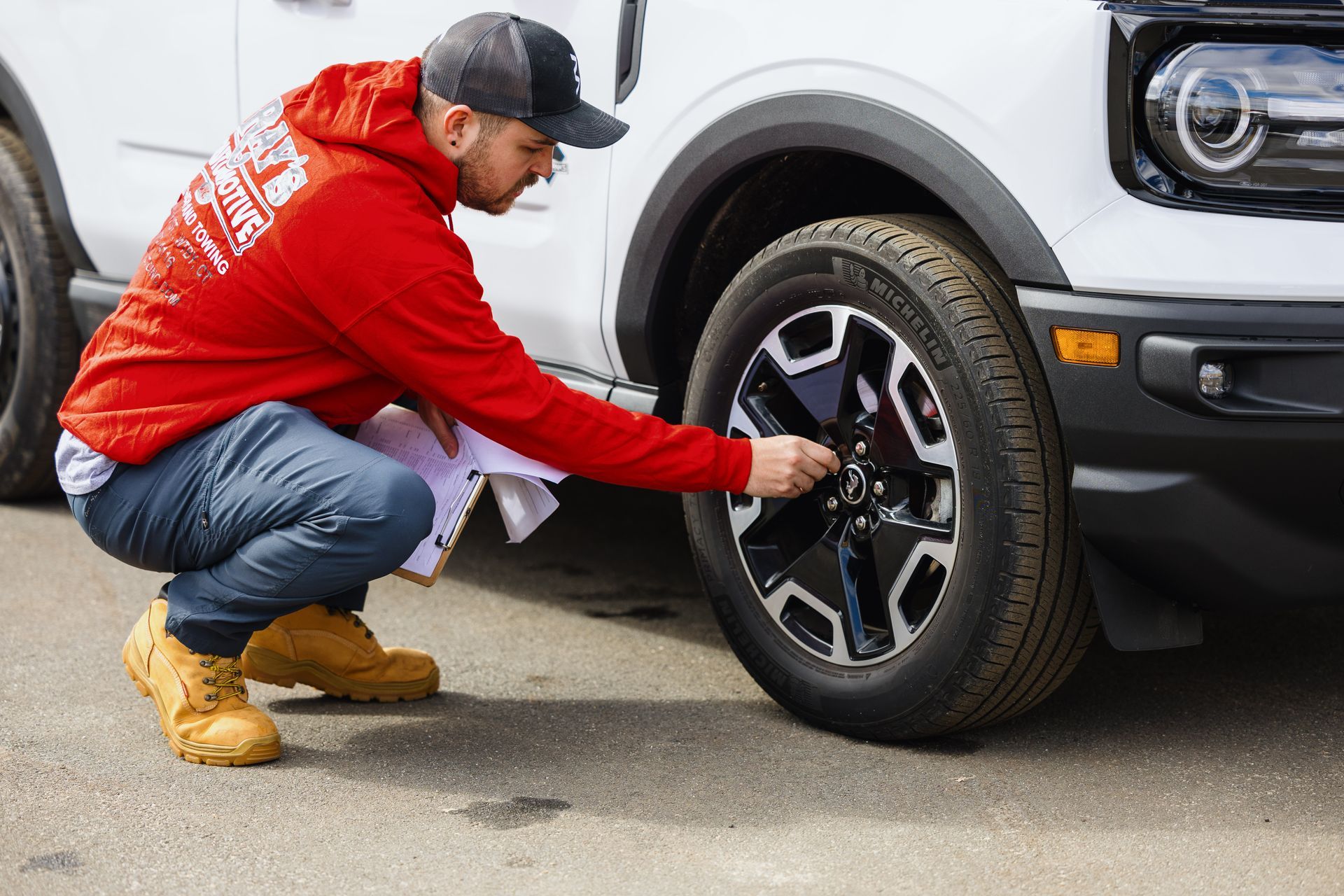
Ray's Automotive technician inspecting a vehicle body during collision repair in Waterbury CT
By Ray's Automotive • November 13, 2026
How long does collision repair take? Learn how shops calculate repair time, what keys to keys means, and why insurance and parts affect your timeline in CT.
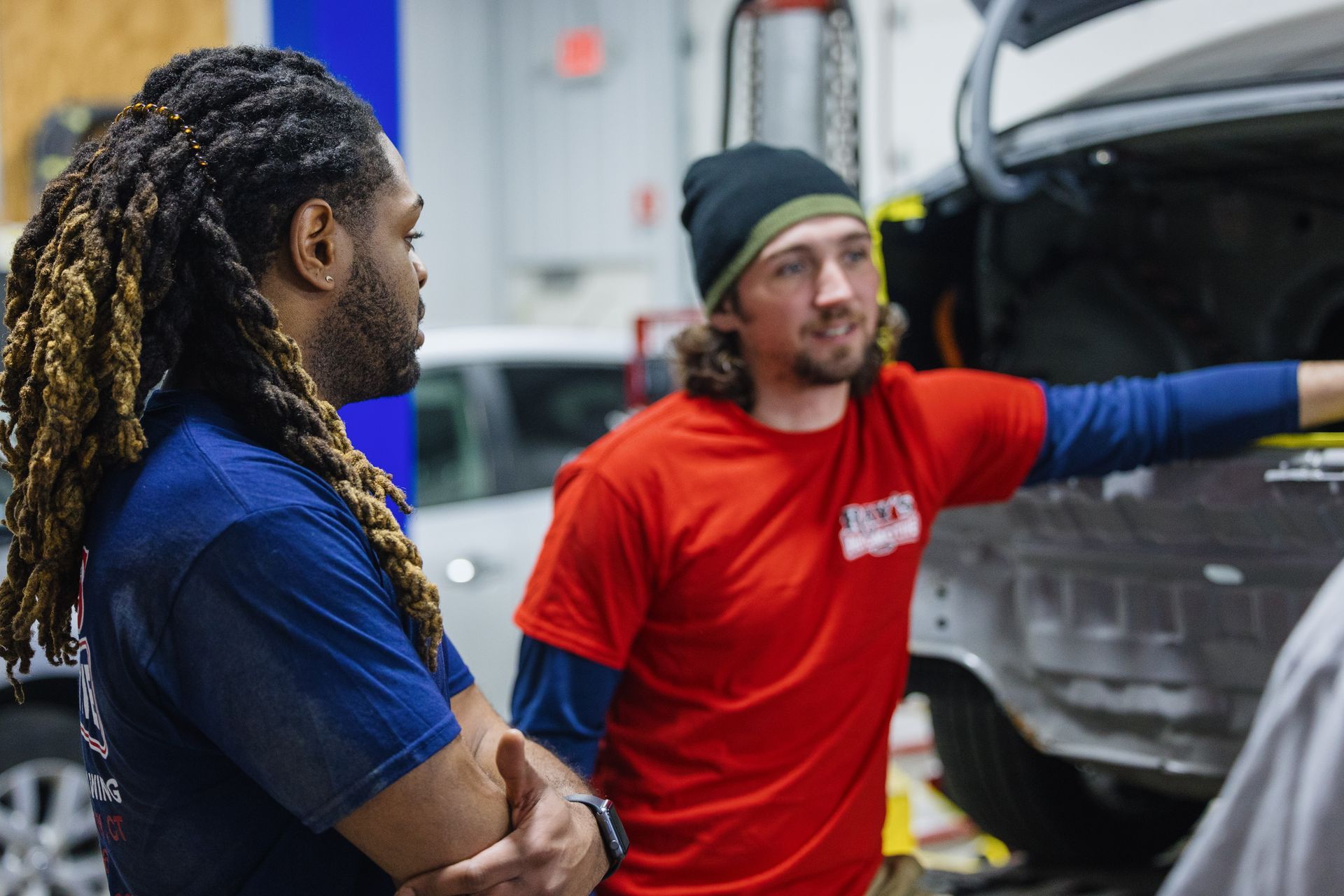
Ray's Automotive team members in the shop beside a vehicle on a lift in Waterbury CT
By Ray's Automotive • November 13, 2026
What does a lifetime warranty on collision repair cover? Learn what's included, what isn't, and how to choose a body shop that stands behind its work in Waterbury.
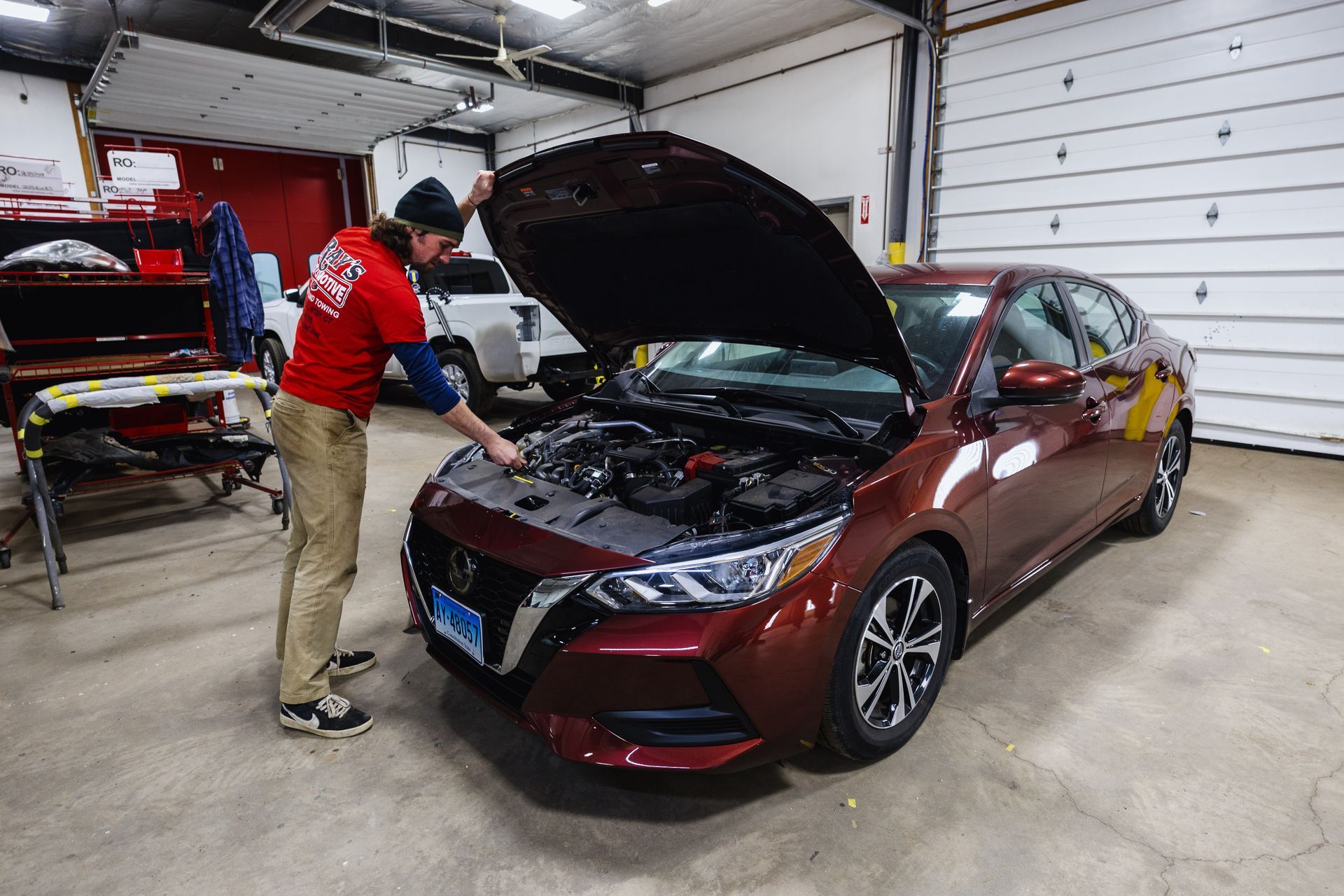
Car driving on an icy snow-lined road in Connecticut at dawn
By Ray's Automotive • November 13, 2026
What damage do icy roads cause, and how can you avoid it? Learn winter driving tips, black ice warning signs, and how to prepare before an accident in CT.
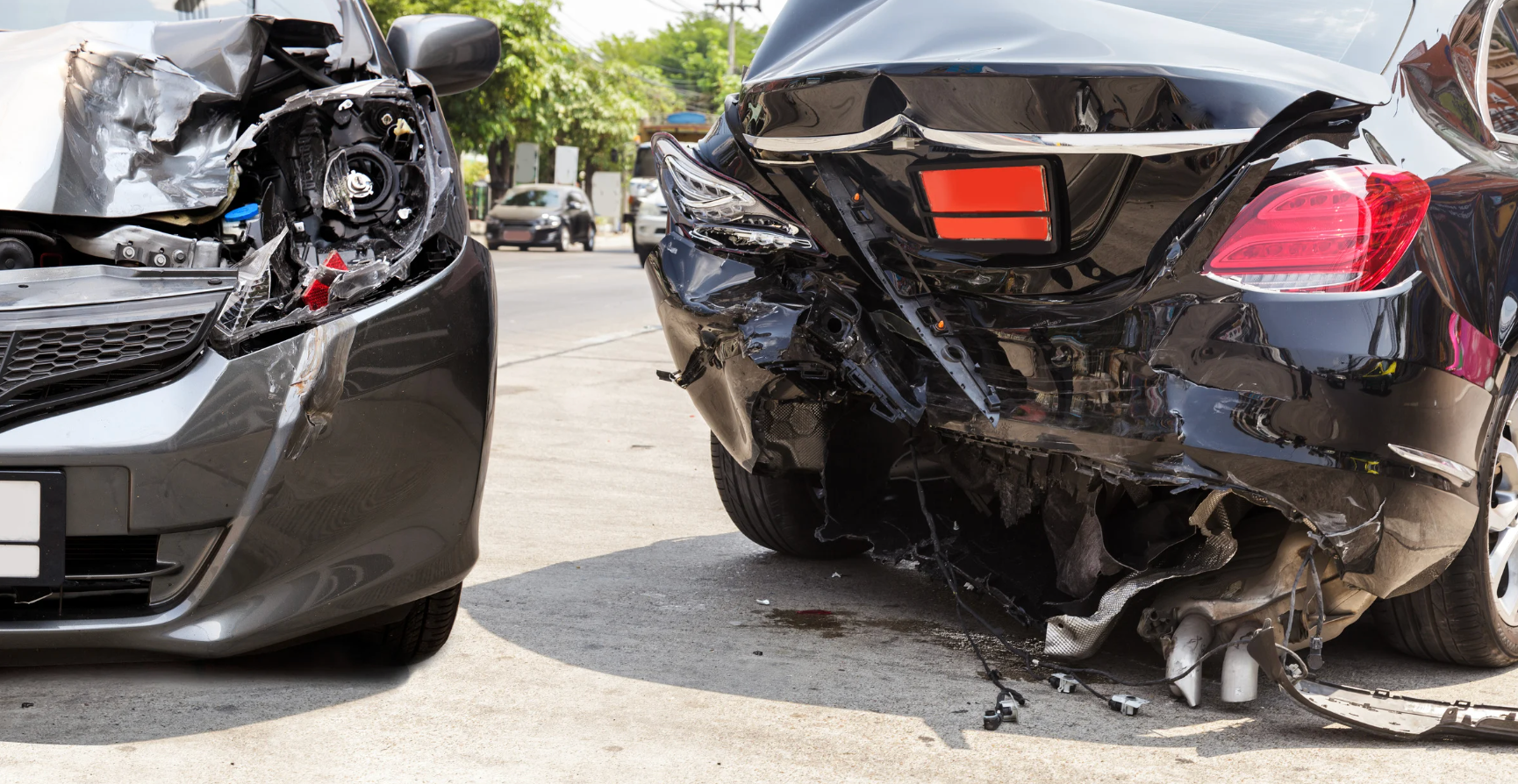
Two cars with collision damage stopped along the side of a road after an accident
By Ray's Automotive • October 2, 2026
In an accident in Connecticut? Follow these steps at the scene and in the days after to protect your safety, your insurance claim, and your vehicle repair.
Close up of a red car's headlight and front grille after collision repair
By Ray's Automotive • October 2, 2026
Do you have to use your insurer's body shop? Is the first estimate final? We debunk five common collision repair myths for Waterbury and Connecticut drivers.
Show More