Icy Road Accidents: Common Damage and How to Prepare This Winter

Ray's Automotive • November 13, 2026

Icy Road Accidents: Common Damage and How to Prepare This Winter

Black ice and snow-covered roads cause some of the most damaging accidents Connecticut drivers face each winter. The reason is simple: on ice, you often can't slow down before impact. Here's what kind of damage icy roads cause and what you can do to avoid it, both on the road and before you ever leave the driveway.

Why Icy Road Collisions Cause More Damage

In a typical accident on dry pavement, most drivers are able to brake before impact, which reduces the force of the collision. On ice, braking does little. If you're traveling at 35 miles per hour when you start to slide, you may hit at close to that speed. That means more energy goes into the vehicle.

Most Common Types of Icy Road Damage

Icy road crashes commonly involve front-end damage from sliding into another vehicle, rear-end damage from being hit by a driver who couldn't stop, and side impacts from sliding at intersections. Sliding into curbs, guardrails, and snowbanks can also damage wheels, suspension, and bumpers. Higher-speed impacts are more likely to cause hidden structural damage and affect the sensors many newer vehicles rely on.

How to Avoid Accidents and Damage on Icy Roads

Preparation starts before you leave the house. Check a traffic or navigation app and local news for reported conditions. Pay attention to the temperature and moisture overnight. If there was a lot of condensation the night before, black ice is likely, even on treated roads. Early morning drivers face the highest risk because they're often the first on the road.

Once you're driving, control your speed and don't match the pace of other drivers. Leave extra following distance and avoid sudden braking or steering.

Preparation also means reviewing your insurance before you need it. Choose coverage suited to your vehicle, not just the cheapest policy. If you drive a newer car, ask your agent about OEM parts coverage. Keep your preferred body shop's number in your phone so you can direct where your car goes. If you are in an accident, move to safety, exchange information, call the police, document the scene, and avoid discussing fault. Read our step-by-step guide to what to do after an accident in Connecticut.

Frequently Asked Questions

  • What are the most common types of car damage caused by icy roads?

    The most common icy road damage includes front-end and rear-end collision damage, side impacts at intersections, and damage to wheels, suspension, and bumpers from sliding into curbs or snowbanks. Because drivers often can't brake on ice, impacts happen at higher speeds and can cause more structural and sensor damage.

  • What can drivers do to avoid accidents on icy roads this winter?

    Check road conditions before leaving, watch for black ice after nights with heavy condensation, and slow down. Don't follow the speed of surrounding traffic. Increase following distance and avoid sudden braking or steering. Being especially careful in the early morning, when roads may be untreated, also reduces risk.

  • When is black ice most likely to form?

    Black ice is most likely in the early morning and overnight, especially after a day with moisture in the air followed by a drop in temperature. Bridges, overpasses, and shaded areas freeze first. If you notice heavy condensation on your car in the morning, assume roads may be slick.

  • What should I do right after a winter accident?

    Move to a safe place if possible, check for injuries, and call the police. Exchange information with the other driver, take photos of the scene and damage, and avoid making statements about fault. Then contact your insurance company and your preferred body shop to arrange towing and repairs.

  • What insurance coverage should I review before winter?

    Review your collision, comprehensive, and rental coverage, along with your deductibles. If you drive a newer vehicle, ask whether OEM parts coverage is available. Choosing coverage that fits your vehicle can make the repair process smoother. Learn about insurance's role in collision repair.

If winter weather leads to an accident, Ray's Automotive at 1704 Baldwin Street in Waterbury is here to help with towing coordination, insurance, and repairs. Save our number and contact us anytime.

Ray's Automotive team member reviewing a collision repair estimate with customers beside a vehicle
By Ray's Automotive • November 13, 2026
Why do collision repair estimates vary so much between shops? Learn what drives the gap and how to tell if a body shop estimate is fair in Waterbury, CT.
Deer standing at the edge of a wooded Connecticut road at dusk
By Ray's Automotive • November 13, 2026
Hit a deer in Connecticut? Learn what to do at the scene, why choosing your own tow matters, and how deer damage is typically covered by auto insurance.
Road salt and slush on the lower body of a car during a Connecticut winter
By Ray's Automotive • November 13, 2026
Does road salt damage your car? Learn where salt really causes rust, why clear coat helps, and how often Connecticut drivers should wash their cars in winter.
Cracked car windshield with frost on a cold Connecticut winter morning
By Ray's Automotive • November 13, 2026
Why do windshields crack in winter? Learn how temperature swings and road debris cause cracks, and when a chip can be repaired versus replaced in Waterbury, CT.
SUV front bumper against an icy plowed snowbank in winter
By Ray's Automotive • November 13, 2026
Can paintless dent repair fix dents from ice or snow? Learn when PDR works and what drives the cost of bumper repair after hitting a snowbank in Waterbury, CT.
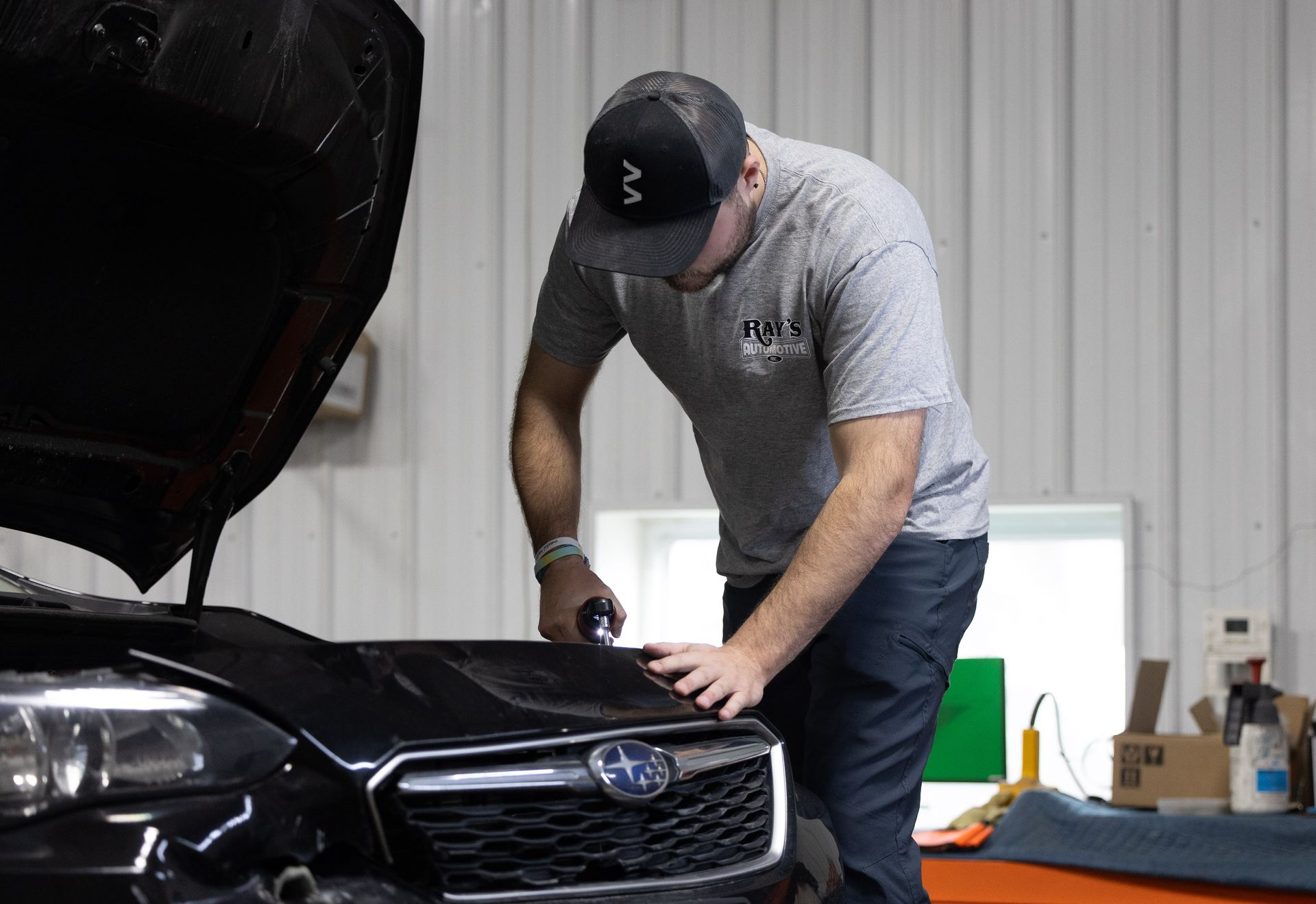
Ray's Automotive technician inspecting a vehicle body during collision repair in Waterbury CT
By Ray's Automotive • November 13, 2026
How long does collision repair take? Learn how shops calculate repair time, what keys to keys means, and why insurance and parts affect your timeline in CT.
Ray's Automotive team members in the shop beside a vehicle on a lift in Waterbury CT
By Ray's Automotive • November 13, 2026
What does a lifetime warranty on collision repair cover? Learn what's included, what isn't, and how to choose a body shop that stands behind its work in Waterbury.
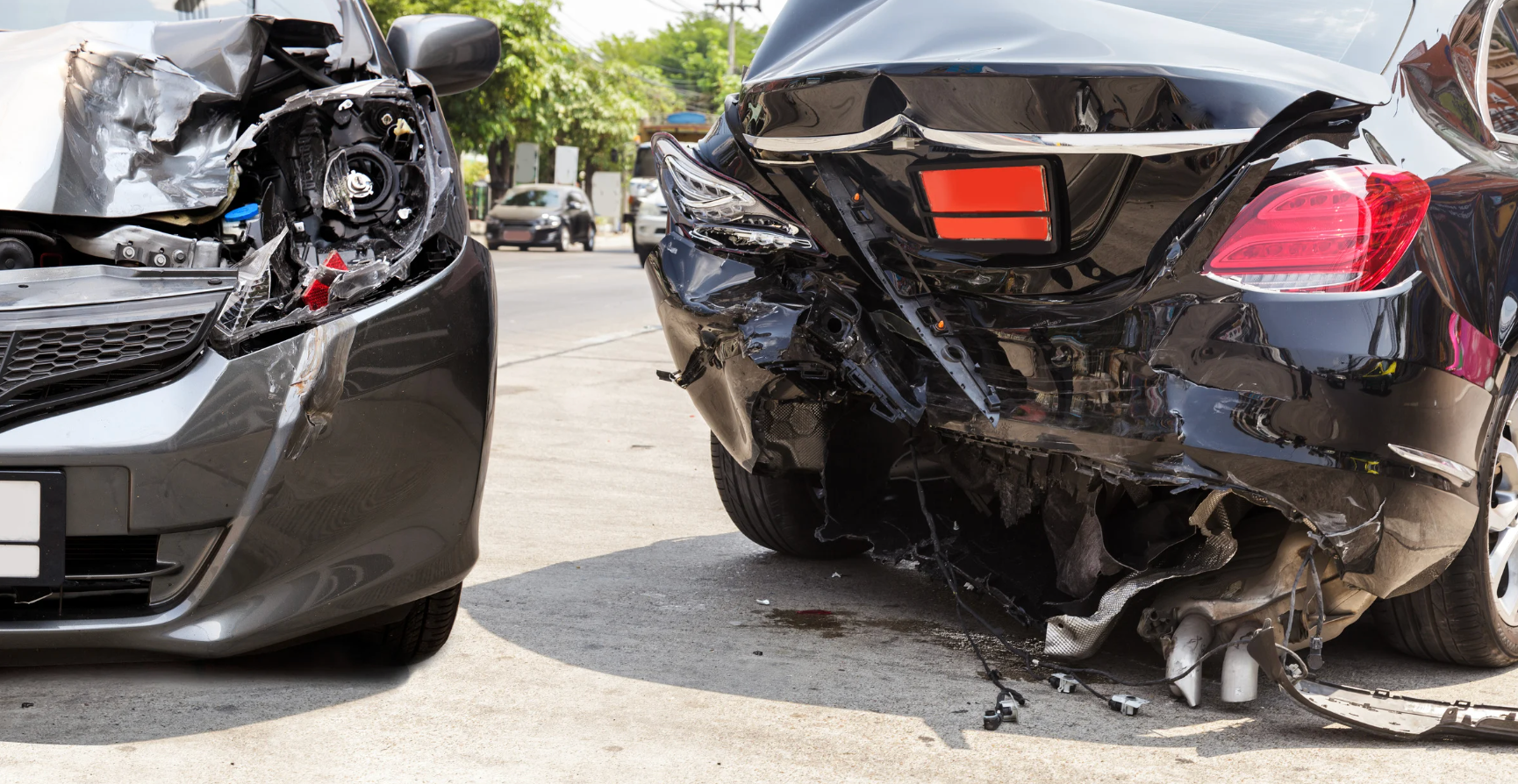
Two cars with collision damage stopped along the side of a road after an accident
By Ray's Automotive • October 2, 2026
In an accident in Connecticut? Follow these steps at the scene and in the days after to protect your safety, your insurance claim, and your vehicle repair.
Close up of a red car's headlight and front grille after collision repair
By Ray's Automotive • October 2, 2026
Do you have to use your insurer's body shop? Is the first estimate final? We debunk five common collision repair myths for Waterbury and Connecticut drivers.
Show More