
Does Road Salt Damage Your Car? Winter Tips for CT Drivers

Ray's Automotive • November 13, 2026

Does Road Salt Damage Your Car? What Connecticut Drivers Should Know

Every winter, Connecticut roads are treated with salt to keep traffic moving. It keeps drivers safer, but it also sticks to your vehicle and stays there long after the storm. Here's where road salt actually causes damage and how often you should wash it off.

Where Road Salt Does the Most Damage

Many drivers worry about their paint, but painted exterior panels are usually not the main concern. Factory paint is covered with clear coat, which protects against UV rays and most corrosion. As long as that clear coat is intact, salt on the surface is less likely to cause harm.

The real risk is on the parts you can't see. Only the outside of a body panel is fully painted. The back side of a fender, the inner panels, and the undercarriage have some corrosion protection, but it isn't as strong as the clear coat on the outside. Salt kicked up from the road collects in those areas, dries, and keeps working on the metal.

Why Rust Often Starts From the Inside

When you see corrosion bubbling up under the paint on a pickup truck or older car, it usually didn't start on the surface. It came from the back side of the panel and worked its way out. By the time it's visible, the damage underneath is often more extensive. Learn more about how damage can hide in our article on hidden damage after a crash.

How Often to Wash Your Car in Winter

How often depends on the weather. During stretches with few storms, you may not need to wash often. When roads are heavily salted and you've been driving on them, rinse the vehicle, focusing on the underside. A good rule of thumb is an undercarriage rinse every couple of weeks during salt season, and sooner after a major storm.

Use a car wash with an undercarriage spray, or use a hose to flush wheel wells, rocker panels, and the area behind the bumpers. The goal is to remove salt before it dries and settles into seams and inner panels.

If rust or paint damage has already started, Ray's Automotive in Waterbury can inspect the vehicle and recommend a proper repair. You can also read why car paint peels.

Frequently Asked Questions

  • Does road salt damage my car’s paint?

    Road salt is less likely to damage intact paint than most people think. Factory clear coat protects painted surfaces from most corrosion. The bigger risk is the unpainted or lightly protected areas, such as the undercarriage, wheel wells, and the back sides of body panels, where salt collects and stays.

  • How often should I wash my car in the winter to remove salt?

    Plan on an undercarriage rinse about every couple of weeks when roads are salted, and after any major storm. If you drive on heavily treated roads frequently, wash more often. Focus on the underside, wheel wells, and lower panels, since that’s where salt builds up and causes rust.

  • Is an undercarriage wash worth it?

    Yes, an undercarriage wash is one of the most useful things you can do for your car in winter. It reaches the areas where salt is most harmful and hardest to see. A regular exterior wash alone may leave salt packed into the frame, suspension areas, and inner panels.

  • Why does rust show up under the paint?

    Rust under the paint usually starts from the back side of the panel, where protection is thinner. Moisture and salt work through the metal from the inside until the paint begins to bubble. By then, the corrosion underneath may be larger than it looks, so an inspection is a good idea.

  • Does a scratch or chip make salt damage worse?

    Yes. Once a chip or scratch breaks through the clear coat and paint, the metal underneath is exposed to salt and moisture. Repairing chips and scratches before winter helps keep corrosion from starting.

Worried about winter wear on your vehicle? Ray's Automotive at 1704 Baldwin Street in Waterbury has helped local drivers for more than 30 years. Contact us to schedule a free consultation.

Ray's Automotive team member reviewing a collision repair estimate with customers beside a vehicle
By Ray's Automotive • November 13, 2026
Why do collision repair estimates vary so much between shops? Learn what drives the gap and how to tell if a body shop estimate is fair in Waterbury, CT.
Deer standing at the edge of a wooded Connecticut road at dusk
By Ray's Automotive • November 13, 2026
Hit a deer in Connecticut? Learn what to do at the scene, why choosing your own tow matters, and how deer damage is typically covered by auto insurance.
Cracked car windshield with frost on a cold Connecticut winter morning
By Ray's Automotive • November 13, 2026
Why do windshields crack in winter? Learn how temperature swings and road debris cause cracks, and when a chip can be repaired versus replaced in Waterbury, CT.
SUV front bumper against an icy plowed snowbank in winter
By Ray's Automotive • November 13, 2026
Can paintless dent repair fix dents from ice or snow? Learn when PDR works and what drives the cost of bumper repair after hitting a snowbank in Waterbury, CT.
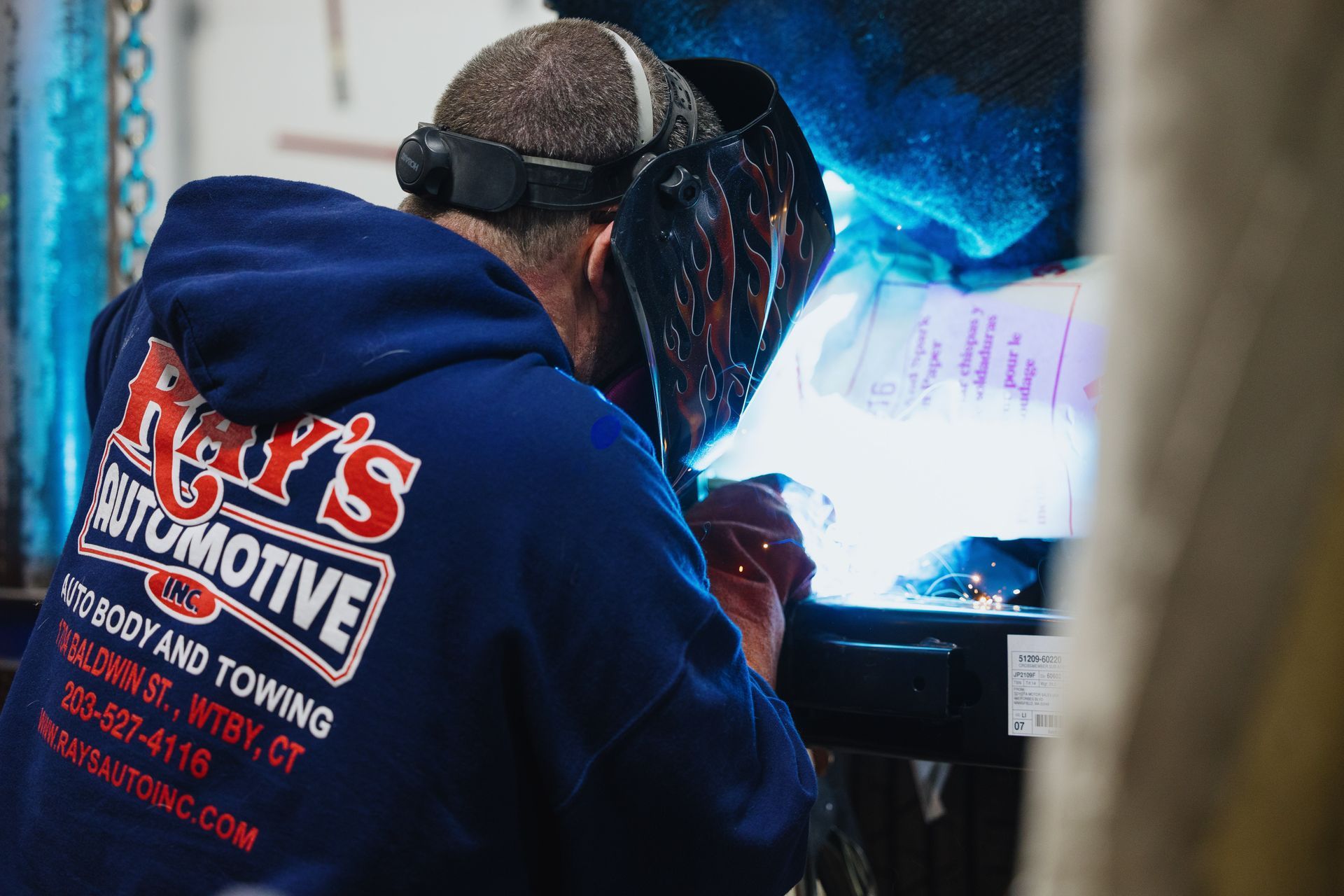
Ray's Automotive technician inspecting a vehicle body during collision repair in Waterbury CT
By Ray's Automotive • November 13, 2026
How long does collision repair take? Learn how shops calculate repair time, what keys to keys means, and why insurance and parts affect your timeline in CT.
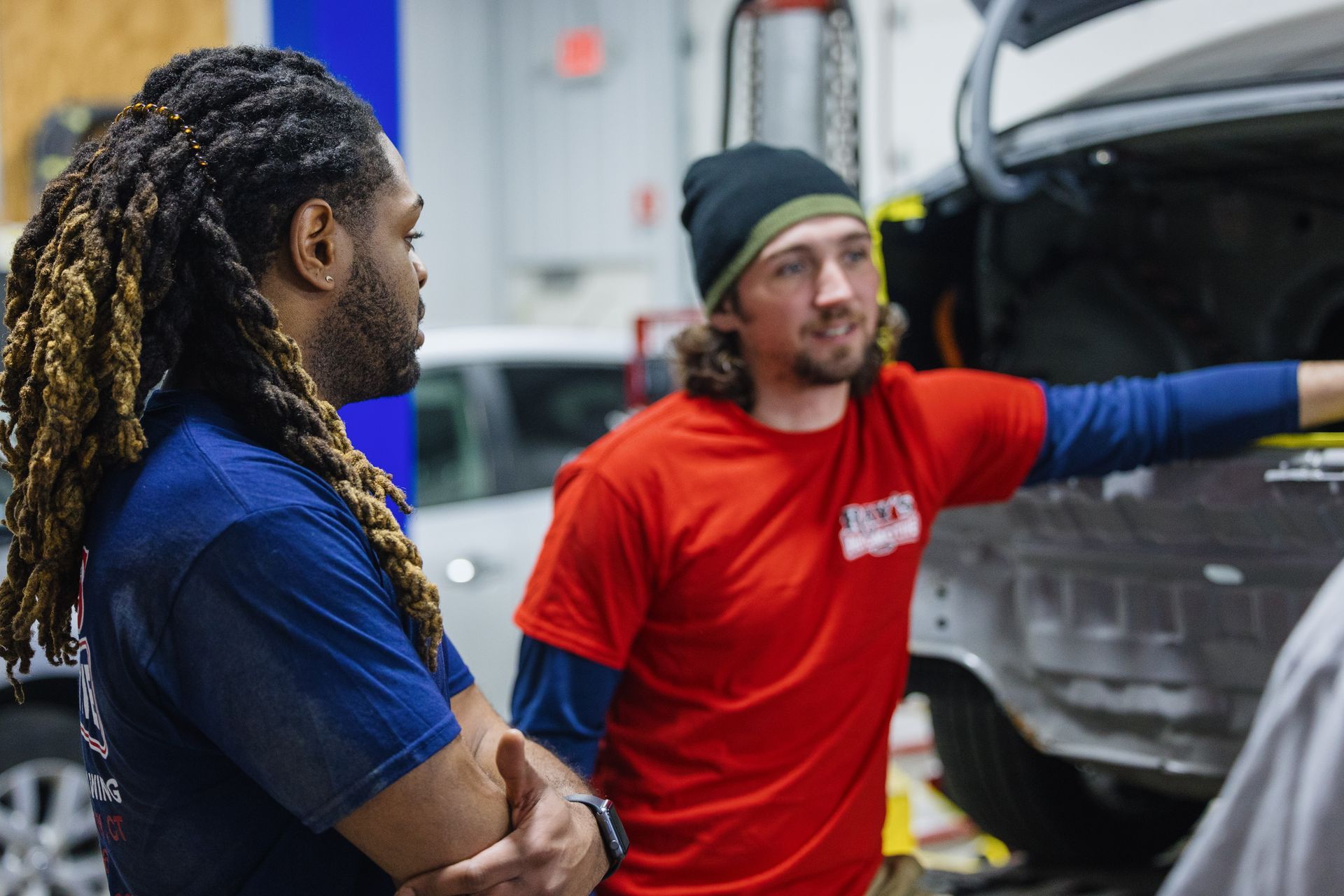
Ray's Automotive team members in the shop beside a vehicle on a lift in Waterbury CT
By Ray's Automotive • November 13, 2026
What does a lifetime warranty on collision repair cover? Learn what's included, what isn't, and how to choose a body shop that stands behind its work in Waterbury.
Car driving on an icy snow-lined road in Connecticut at dawn
By Ray's Automotive • November 13, 2026
What damage do icy roads cause, and how can you avoid it? Learn winter driving tips, black ice warning signs, and how to prepare before an accident in CT.
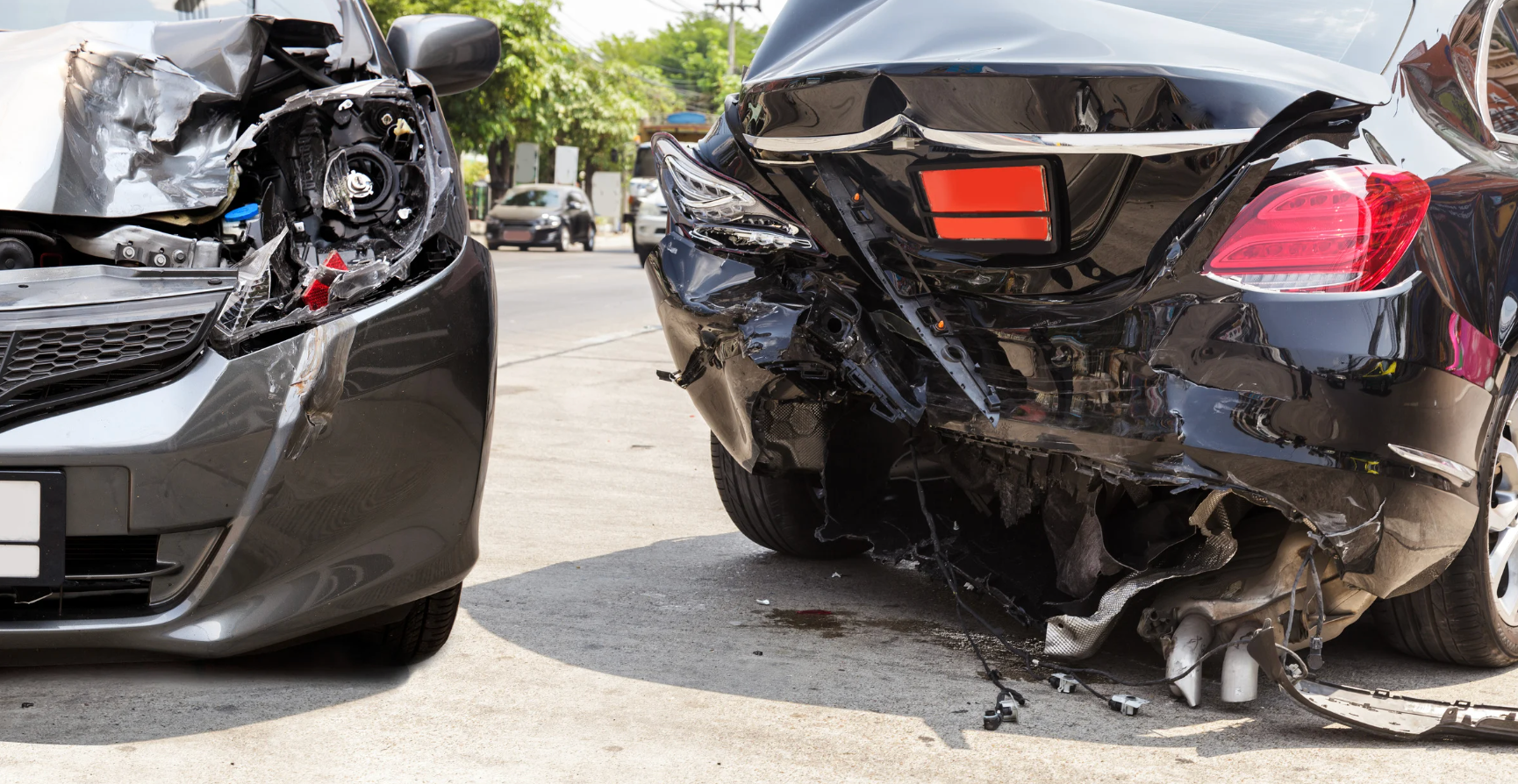
Two cars with collision damage stopped along the side of a road after an accident
By Ray's Automotive • October 2, 2026
In an accident in Connecticut? Follow these steps at the scene and in the days after to protect your safety, your insurance claim, and your vehicle repair.
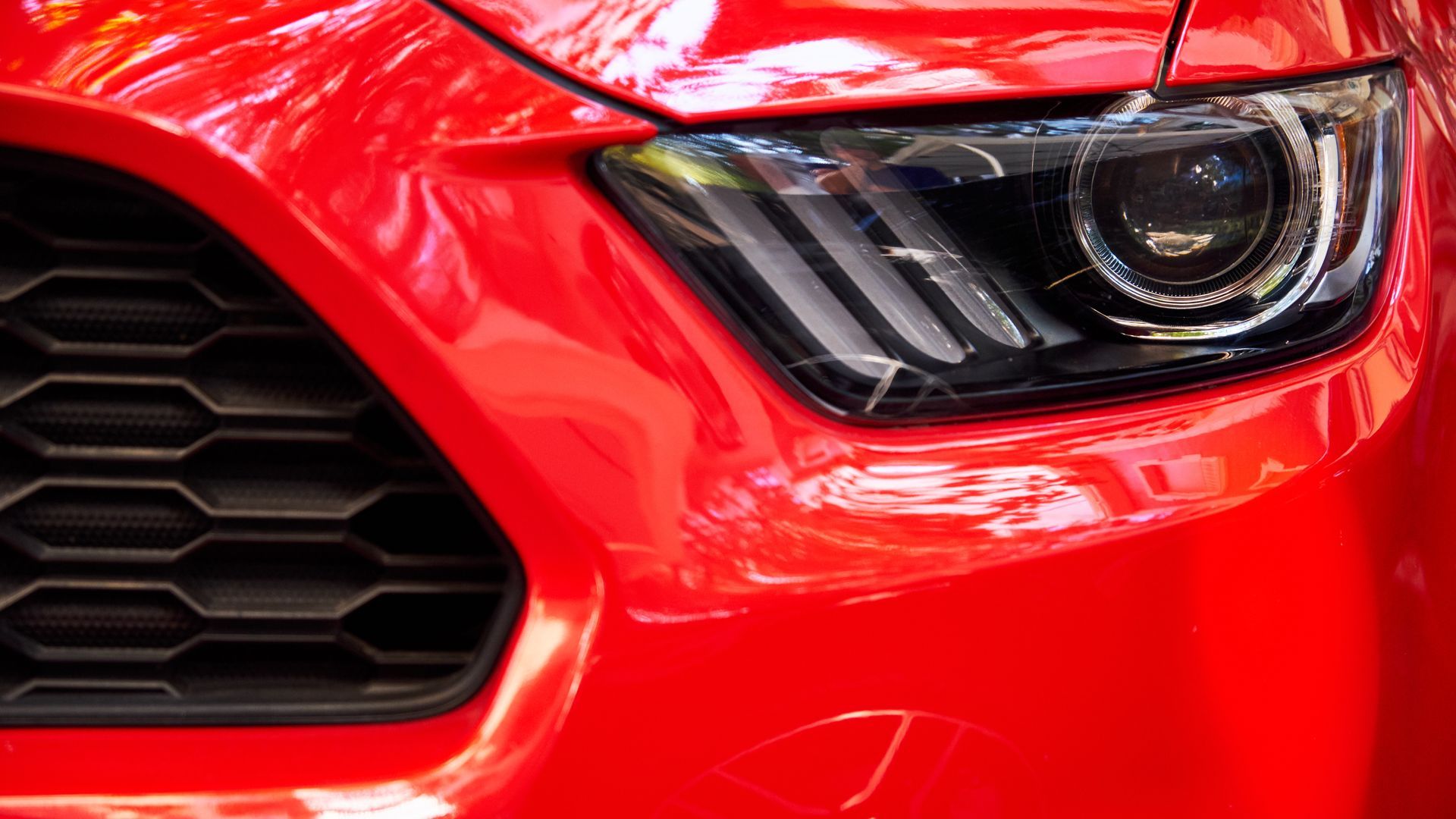
Close up of a red car's headlight and front grille after collision repair
By Ray's Automotive • October 2, 2026
Do you have to use your insurer's body shop? Is the first estimate final? We debunk five common collision repair myths for Waterbury and Connecticut drivers.
Show More